
What Causes Varicose Veins, and What They Say About Your Circulation
Varicose veins are enlarged, twisted veins. They are most common in the legs, but they can develop anywhere in the body. For many people, they cause no symptoms and are a cosmetic concern. For others, they cause aching, swelling, and discomfort, or signal an underlying circulatory problem.
We are Dr. Steven Katz and Dr. Loreena Ryder of Naturopathic Physicians Group in Scottsdale. This article explains how varicose veins form, who is at risk, how they are diagnosed, conventional treatment options, and the naturopathic approach, including diet, supplements, and heavy-metal testing.
Key Takeaways
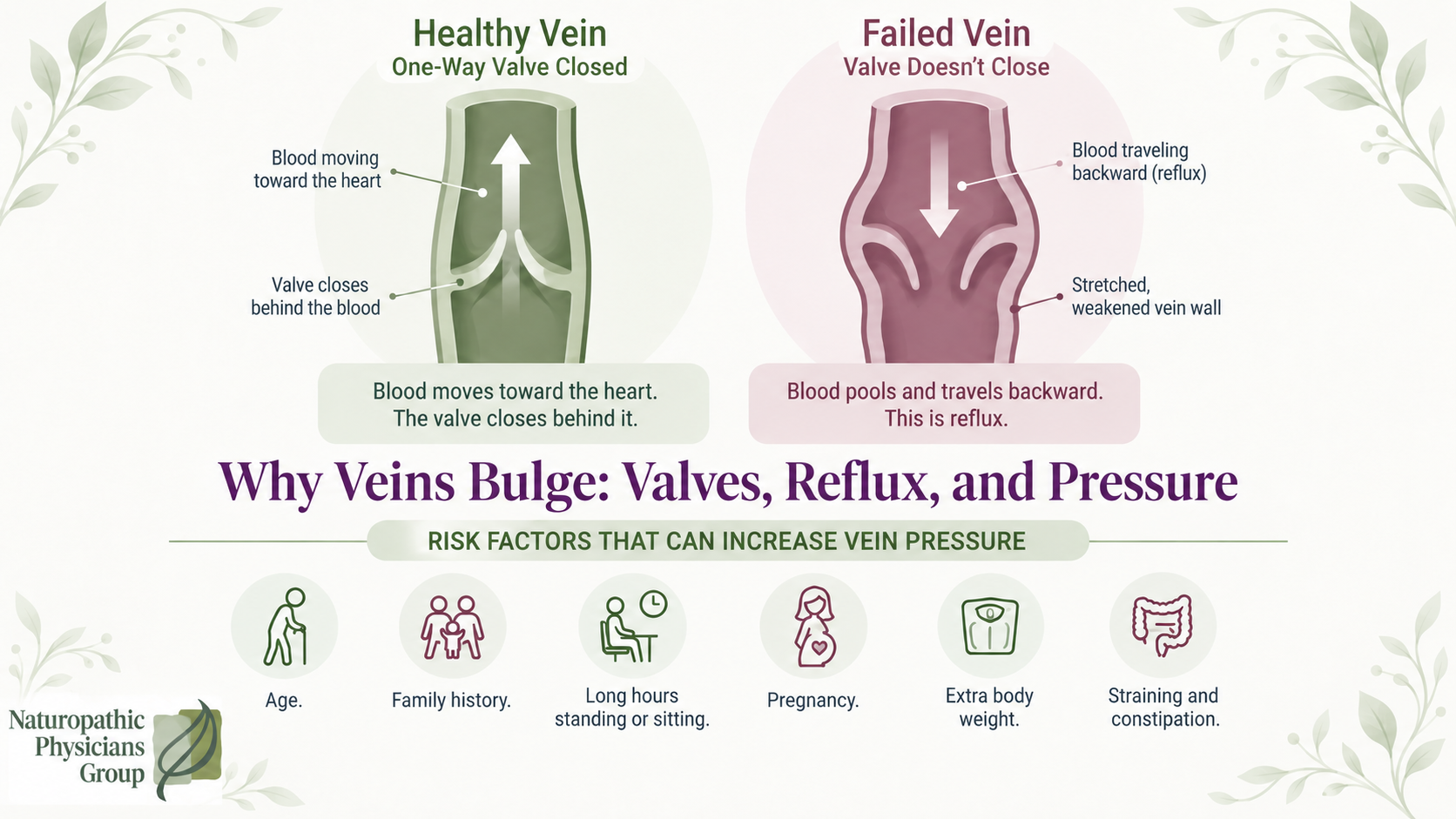
Varicose veins form when the one-way valves inside the veins weaken, allowing blood to pool and flow backward. This backward flow is called reflux.
Roughly 23 percent of US adults have varicose veins, including an estimated 22 million women and 11 million men ages 40 to 80.
Symptoms often worsen with long periods of sitting or standing and improve when lying down or elevating the legs.
Compression therapy is a first-line treatment in both conventional and naturopathic care. Heavy metals such as lead can damage blood vessels and are part of a full evaluation at NPG.
How Varicose Veins Form
Arteries carry blood away from your heart. Veins carry it back. In your legs, that return trip works against gravity, so veins contain one-way valves that open to let blood move toward the heart and close to keep it from flowing back down.
Varicose veins develop when the vein walls or valves weaken or become damaged. Blood then pools in the vein or flows backward, a process called reflux. The extra volume stretches the vein, which becomes larger and distorted over time.
Varicose veins near the skin's surface appear as bulging blue veins or small, web-like spider veins. Any vein can be affected, however, including veins that are not visible.
Symptoms of Varicose Veins
Many people with varicose veins have no symptoms. When symptoms do occur, they can include:
Bulging, bluish veins
Swelling in the legs
Aching pain or a feeling of heaviness in the legs or feet
Itching around the veins
Skin color changes near the veins
Leg cramps, especially at night
Severe varicose veins can limit daily activities. Symptoms often worsen after long periods of sitting or standing and improve when you lie down or elevate your legs. This pattern reflects the pressure that gravity places on the vein valves when you are upright.
Appearance is the most common reason people seek care for varicose veins, even when other symptoms are present.
Risk Factors
Women develop varicose veins roughly twice as often as men. An estimated 22 million women and 11 million men in the United States between the ages of 40 and 80 have them. Several factors increase the pressure on your veins and the risk of varicose veins:
Age. Risk increases as you get older.
Family history. A family history of varicose veins increases your likelihood of developing them.
Long hours standing or sitting. Blood does not flow as easily when you stand or sit in one position for long periods, so it stays in the same section of vein longer. Desk jobs and working from home both count. An active lifestyle is associated with a lower risk.
Pregnancy. Blood volume increases to support the growing baby, which places extra strain on the veins. Higher hormone levels also relax the muscular walls of the blood vessels. Most women's veins improve after the baby is born.
Extra body weight. Excess weight increases pressure on the veins and makes the valves more prone to leaking. Body weight affects varicose vein development more in women than in men.
Straining and constipation. Significant straining during bowel movements increases venous pressure. Chronic constipation is often connected to digestive conditions discussed in our article on IBS.
A previous blood clot or deep vein thrombosis (DVT), swelling or a tumor in the pelvic region, and high blood pressure also increase the risk.
How Varicose Veins Are Diagnosed
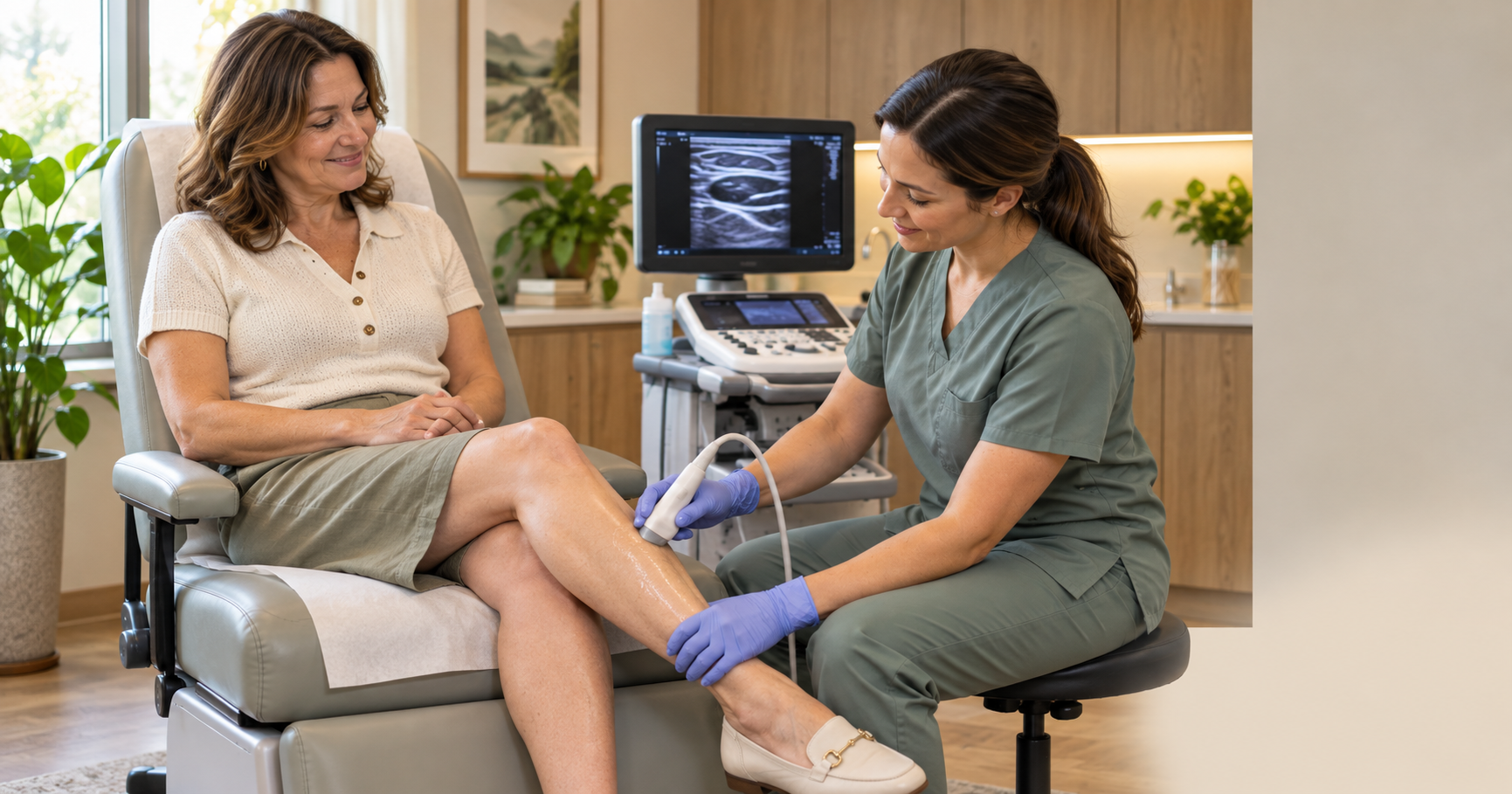
A physician can usually diagnose varicose veins with a simple physical examination. When doctors need to determine the cause, they may use a Doppler or duplex ultrasound. The test is painless and takes about 20 to 30 minutes per leg. It assesses valve function in the groin, measures how much blood flows backward into the legs, evaluates whether the vein structure is a problem, and checks for blood clots.
At NPG, we evaluate vein symptoms as part of a whole-health assessment that also considers circulation, blood pressure, weight, and metabolic health.
Conventional Treatment Options
Conventional treatment aims to relieve symptoms, improve appearance, and prevent complications such as skin ulcers or sores, deep vein thrombosis, skin color changes, and bleeding.
Compression Therapy
Compression therapy is a first-line treatment, and one that naturopathic physicians agree with. Elastic stockings or compression bandages apply gentle pressure to the legs to help prevent swelling. For people who sit or stand for long periods, compression can relieve pain, swelling, and heaviness. It may be used alone or after a procedure, and it is often recommended during pregnancy as a preventive measure.
Endovenous Ablation
Endovenous ablation uses laser or radiofrequency energy to close off the vein. The procedure is usually done in an office with ultrasound guidance. Bruising is common afterward, and the procedure can be painful and cause skin color changes. Because it affects blood flow, less common complications include numbness, embolism, and skin burns.
Sclerotherapy
Sclerotherapy closes a vein by injecting a liquid or foam chemical that seals it. Liquid sclerotherapy is often used for spider veins. Complications of foam sclerotherapy can include skin color changes and, less often, venous thromboembolism, a type of blood clot, or nerve damage. Rare complications include a serious allergic reaction, stroke, temporary vision problems, headaches, and confusion.
Vein Ligation and Stripping
For smaller veins near the skin surface, a surgeon may remove them through small incisions. For larger, deeper veins, vein ligation and stripping ties off and removes the vein entirely. Surgery is usually outpatient, though medication may be needed to help you sleep during the procedure. Because surgery involves more pain and a longer recovery, it is generally reserved for people who are not candidates for ablation or sclerotherapy. Complications can include infection, nerve damage, bruising, pain, and skin color changes. Severe complications are rare.
Medications and Creams
A prescription form of diosmin, a flavonoid found naturally in citrus fruits, is available to help with varicose vein pain. Like other prescription medications, it has potential side effects.
Over-the-counter varicose vein creams may provide temporary symptom relief or briefly mask the appearance of spider veins. According to Dr. Ryder, they do not treat the underlying cause, are unlikely to be worth the cost, and are not a cure.
The Naturopathic Approach
Dr. Katz and Dr. Ryder do not direct anyone to start or stop a treatment. The information below reflects the research and what they have used with patients. Treatment decisions belong in a conversation with your own physician.
Compression socks are also first-line in naturopathic care. They do not reverse varicose veins that have already formed, but they reduce symptoms and help prevent new varicose veins for people who spend most of the day on their feet. Compression socks are now available in a wide range of designs, including solid colors that look like ordinary socks.
Smoking is one of the leading causes of heart disease and is harmful to veins and circulation. Cigarettes also contain toxic metals that tighten the blood vessels and reduce circulation. For anyone with circulation problems or varicose veins, smoking adds to the damage. Circulation is covered in more detail in our article on poor circulation.
Exercise moves blood through the vessels and helps open them. Staying hydrated increases oxygen delivery and blood flow. Acupuncture can also promote blood flow and reduce inflammation, and research has linked it to increased nitric oxide levels.
Diet and Varicose Veins
Foods High in Vitamin K
Vitamin K strengthens the walls of capillaries, the smallest blood vessels, reducing the stretching and breaking that can lead to varicose veins. Green leafy vegetables are high in vitamin K, including collard and turnip greens, kale, spinach, broccoli, Brussels sprouts, cabbage, and other lettuces. Dr. Ryder often uses arugula as an alternative to spinach and lettuce. Soy products are also high in vitamin K. Dr. Katz prefers organic soy, since most soy is genetically modified, and soy is best eaten only by people who are not sensitive to it.
Foods That Support Blood Flow
Arugula and beets contain dietary nitrates, which open the blood vessels and improve oxygen delivery and blood flow to the heart, lungs, brain, liver, and kidneys. For this reason, many natural blood pressure products use beets.
Garlic and onions help regulate cholesterol, lower blood pressure, and support vein integrity. They also help prevent cell damage and act as natural blood thinners. Leafy greens also thin the blood and help oxygen circulate. Berries improve blood vessel function and help vessels relax. The flavonoids in citrus fruits act as vasodilators that keep the vascular system toned. If cholesterol is part of your health picture, our article on high cholesterol covers it in detail.
Rosemary is a warming herb that can improve blood flow. Green and black tea can enhance circulation and help protect the blood vessels. Ginger is a natural vasodilator that widens the blood vessels. Pomegranate juice is rich in antioxidants and works through the same pathway as ACE inhibitors, a class of blood pressure medication, relaxing the blood vessels so blood flows more easily. Dr. Ryder adds two ounces of pomegranate juice to her protein shake each morning.
Fats That Affect Vein Health
Trans fats are the most harmful. They come from hydrogenated and partially hydrogenated vegetable oils and are found in fried foods, cookies, crackers, chips, snack foods, pizza, and popcorn. Margarine is among the worst sources, because it is almost entirely trans fat.
Saturated fats are the second group to reduce. Sources include meat, dairy, eggs, coconut oil, and palm oil. Dr. Katz notes that people without circulation problems can likely include some coconut oil in their diet.
Unsaturated fats, such as olive oil, avocado, nuts, and seeds, help lower bad cholesterol and raise good cholesterol.
Many of the foods above naturally thin the blood. For anyone already taking a blood thinner, these foods can make the medication more potent and increase bruising and bleeding. In that situation, dietary changes belong in a conversation with the prescribing physician.
Supplements for Vein Support
Several of these supplements affect bleeding and blood pressure and can interact with medications. Discuss supplement decisions with a provider who knows your labs, history, and current medications.
MPFF: Micronized Purified Flavonoid Fraction
MPFF is a purified blend of citrus flavonoids, made up mostly of diosmin along with hesperidin and related flavonoids. The "micronized" part matters. The particles are milled extremely fine so the body can absorb them more effectively, which is why MPFF is treated differently from standard diosmin powders. Of all the nutrients used for vein support, it is one of the most thoroughly studied.
MPFF works on several parts of the vein problem at once. It may help veins maintain healthy tone so they hold blood more efficiently, support lymphatic drainage that clears excess fluid from the legs, strengthen tiny capillaries so they leak less, and calm the low-grade inflammation that can irritate vein walls and valves over time. This multi-target action is why people often describe feeling a difference in how their legs feel, not just in how they look.
What Patients May Notice
For many people with varicose veins or chronic venous insufficiency, the day-to-day symptoms are what bother them most, and these are the areas where MPFF has been most consistently helpful:
Legs that feel lighter and less heavy or tired at the end of the day
Less swelling around the ankles and calves
Less aching, throbbing, and cramping, including at night
More comfort during long stretches of sitting or standing
Improved overall quality of life for people whose vein symptoms had been limiting their activity
Some patients also use MPFF for support around vein procedures such as sclerotherapy, and for the discomfort of hemorrhoids, which are also a vein concern.
Setting Realistic Expectations
MPFF is best thought of as a foundation, not a stand-alone fix. It tends to work best alongside the basics: regular movement, compression when appropriate, healthy weight, lower salt intake, and the nutrition and lifestyle steps described above. Relief often builds gradually over several weeks, not overnight. MPFF supports comfort and vein function, and it will not remove varicose veins that are already visible.
MPFF is generally well tolerated. When side effects occur, they are usually mild, most often digestive upset such as nausea or stomach discomfort, and taking it with food can help. Because supplements can interact with medications and may not be right for everyone, including those who are pregnant or breastfeeding, it is worth reviewing with a provider first.
Vitamin K
Vitamin K is also available as a supplement. Vitamin K1 is found mainly in green leafy vegetables. Vitamin K2 is found in small amounts in animal products and is made by bacteria, including in fermented foods and in the gut. Research has not established whether K1 or K2 is more beneficial or better absorbed. Dr. Ryder's approach is to eat green leafy vegetables and supplement with K2.
Vitamin K supplements are not appropriate for people with G6PD deficiency, people taking warfarin (Coumadin), or kidney dialysis patients. G6PD deficiency is identified only through testing, which a physician typically orders.
Herbal Extracts
Butcher's broom is an herbal extract used for varicose veins, hemorrhoids, and lymphedema. It gets its name from Europe, where butchers bundled the shrub into brooms to sweep their cutting blocks. Horse chestnut helps with venous insufficiency, a condition behind many varicose veins. Gotu kola is a peripheral vasodilator that supports circulation and reduces swelling in people with poor leg circulation. Ginkgo biloba improves circulation, and its flavonoids help protect the blood vessels and arteries. Cayenne pepper is a rich source of vitamin C and bioflavonoids and can improve circulation and ease pain from congested or swollen veins.
Resveratrol and Quercetin
Resveratrol, an antioxidant from grapes, can lower the risk of blood clots and helps protect blood vessels from damage. Although it is commonly associated with red wine, Dr. Katz does not regard most red wine as a meaningful source. Quercetin reduces oxidative stress and supports blood pressure regulation.
Nitric Oxide and Omega-3 Support
Magnesium increases nitric oxide production, which expands the blood vessels and lowers blood pressure. It also aids digestion. Citrulline converts into arginine, an amino acid the body uses to produce nitric oxide, which relaxes the blood vessels and improves blood flow.
Fish oil and flaxseed are good sources of omega-3 fatty acids, including DHA and EPA. Omega-3s are anti-inflammatory, reducing inflammation in the vessels and supporting lower blood pressure. Omega-3 fatty acids can also significantly reduce triglyceride levels and improve HDL, or good, cholesterol.
Heavy Metals and IV Therapy
Certain heavy metals are linked to cardiovascular disease because they damage and tighten the blood vessels. Lead is the most common heavy metal people carry, and it stays in the body for decades, which makes it harder to remove than many people expect. High lead levels constrict the blood vessels and increase the risk of both cardiovascular disease and varicose veins. Other heavy metals can also affect the brain, bones, and other parts of the body.
Dr. Ryder, who has a family history of cardiovascular disease, tested her own lead level. It came back high, and she has been lowering it with chelation therapy. Chelation means metal binding. When heavy metals remain and aren't removed, they become a major obstacle, and other treatments are less likely to succeed.
Heavy metals damage the blood vessels, and that damage also needs repair. Ozone therapy and hydrogen peroxide therapy, given intravenously, are oxygen therapies used for circulation and cardiovascular health. Ozone (O3) and hydrogen peroxide (H2O2) both break down into oxygen, which dilates blood vessels, including capillaries and veins. According to Dr. Katz, these therapies can decrease circulatory problems and improve varicose veins. IV therapies and chelation are clinical treatments administered only under a physician's supervision, and results vary by individual.
Evaluating the Cause
At NPG, a varicose vein evaluation considers the full context: when symptoms occur, your job demands, your clot history, your blood pressure, your weight and metabolic health, and whether heavy metals are affecting your blood vessels. Metabolic factors often overlap with vein and circulation problems, which is why the same workup may include blood sugar testing and connect to how to reverse insulin resistance naturally.
Appointments at NPG run longer than a conventional visit because identifying the root cause takes time. A personalized evaluation can help determine which of these factors apply to you, based on your symptoms, labs, history, and goals.
This content is for educational purposes only and is not medical advice. Make treatment decisions with a qualified healthcare provider who understands your symptoms, history, labs, and goals.
FAQs
Are varicose veins dangerous, or only cosmetic?
For many people, varicose veins cause no symptoms and are a cosmetic concern. On their own, they are not considered a serious medical condition. However, they can become uncomfortable and may signal an underlying circulatory problem. Conventional treatment aims to prevent complications such as skin ulcers, deep vein thrombosis, skin color changes, and bleeding.
Why do women get varicose veins more often than men?
Women develop varicose veins roughly twice as often as men, with an estimated 22 million women and 11 million men between the ages of 40 and 80 affected in the United States. Pregnancy is a significant factor, since blood volume increases and hormones relax the vessel walls. Body weight also affects varicose vein development more in women.
Can compression socks reverse varicose veins?
No. Compression socks do not reverse varicose veins that have already formed. They reduce symptoms such as swelling, pain, and heaviness, and they help prevent new varicose veins in people who stand for long periods.
Do over-the-counter varicose vein creams work?
They may provide temporary symptom relief or briefly mask the appearance of spider veins, but they do not treat the underlying valve problem and are not a cure.
Ready to Take a Closer Look at What Your Body Is Telling You?
Dr. Steven Katz and Dr. Loreena Ryder offer personalized, root-cause evaluations for patients who are tired of being told their labs look fine.
Schedule a consultation at naturopathicgroup.com/contact
Phone: (480) 451-6161
Email: [email protected]
Location: Naturopathic Physicians Group, 9200 E. Raintree Dr., Suite 150, Scottsdale, AZ 85260