
High Blood Pressure Causes, Testing, and Treatment (Part 1)
High blood pressure, also called hypertension, is one of the most common and most serious conditions in the United States. Cardiovascular disease is the leading cause of death in the country, ahead of cancer, and someone dies of cardiovascular disease roughly every 34 seconds.
We are Dr. Steven Katz and Dr. Loreena Ryder of Naturopathic Physicians Group in Scottsdale. This article explains what blood pressure measures, how readings are categorized, the most common causes of high blood pressure, how it is tested and diagnosed, and how conventional medicine treats it. Part 2 of this series covers the naturopathic approach.
Key Takeaways
A reading of 120 over 80 or lower is generally considered normal. Dr. Ryder begins watching closely when readings rise above 130 over 90.
The bottom number reflects your heart at rest. A bottom number above 100 means your heart is not getting adequate rest between beats.
High blood pressure often causes no symptoms, and a diagnosis generally requires elevated readings at three separate visits.
Excess weight, salt, smoking, alcohol, stress, lack of exercise, sleep apnea, thyroid function, kidney function, and certain medications can all raise blood pressure.
Conventional treatment centers on medication that lowers the number rather than addressing its cause.
What Blood Pressure Measures
Blood pressure is the force of blood pushing against your artery walls as your heart pumps. Dr. Ryder compares the system to a garden hose. Your heart is the pump, your arteries are the hose, and blood pressure is the force against the hose walls. Two factors determine that force: how much blood your heart pumps and how much resistance your arteries offer. The more blood the heart pumps, and the narrower the arteries, the higher the blood pressure. Blood pressure that is too high or too low causes problems.
A blood pressure reading has two numbers. The top number measures the pressure while your heart is beating. The bottom number measures the pressure while your heart is at rest between beats.
How Inflammation Narrows the Arteries
Inflammation is a key component of hypertension. Inflammation causes blood vessels to swell and tighten, narrowing the path blood must travel. To keep blood reaching your vital tissues, your heart has to work harder, and blood pressure rises.
Dr. Katz explains that narrowed vessels are also damaged as blood is forced through them. Your body repairs that damage with plaque, which acts as a patch over the injured vessel wall. This is the same plaque process described in our piece on high cholesterol. Reducing inflammation reduces the vessel damage that leads to plaque.
Blood Pressure Categories
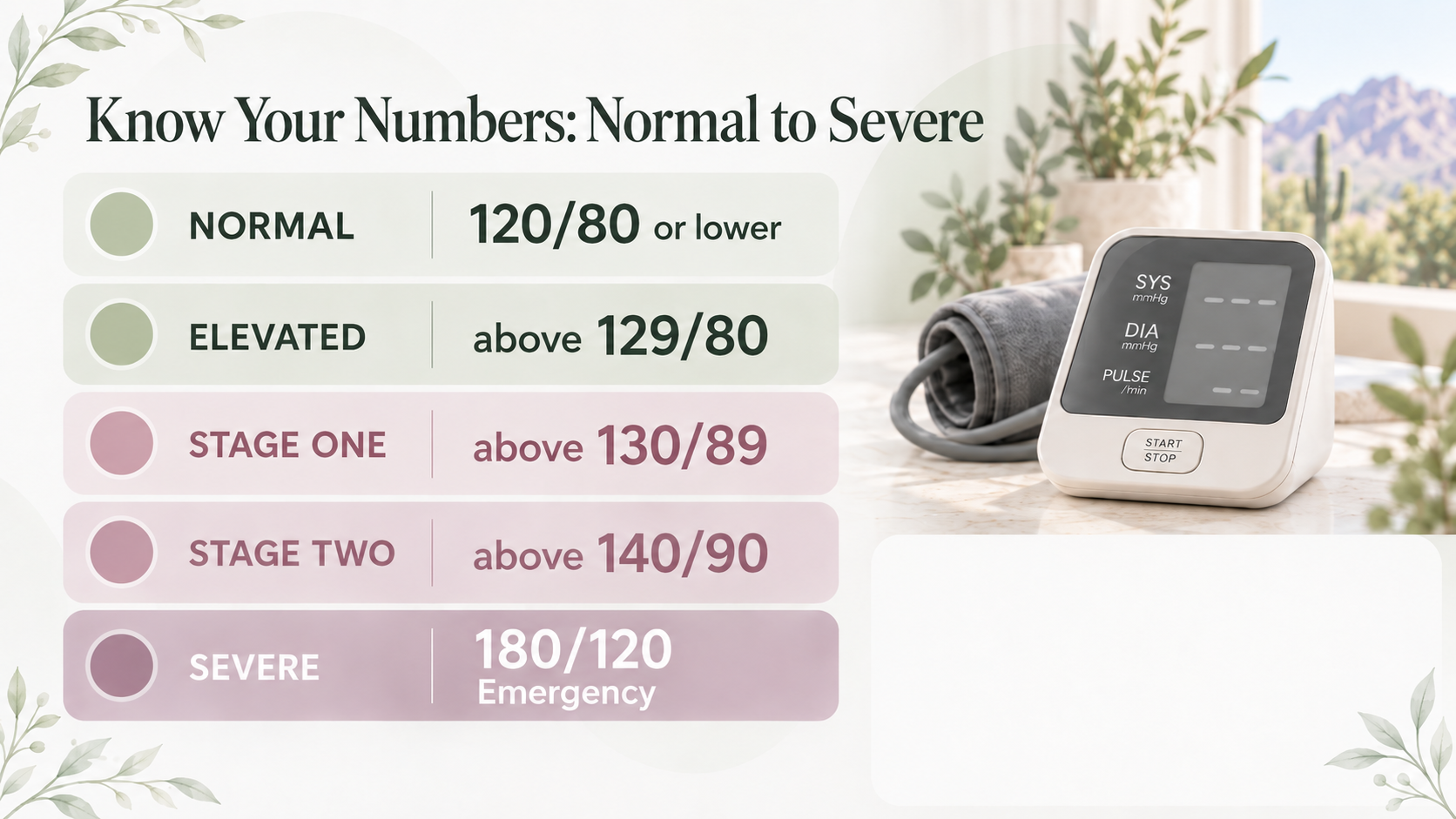
Medically, hypertension is defined as a reading higher than 140 over 90. The American College of Cardiology and the American Heart Association group blood pressure readings into these categories:
Normal: 120 over 80 or lower
Elevated: above 129 over 80
Stage one hypertension: above 130 over 89
Stage two hypertension: above 140 over 90
Severe: 180 over 120
Dr. Ryder begins watching closely when a reading rises above 130 over 90. A reading of 180 over 120 in the office calls for prompt action to bring it down. When a reading that high is uncontrolled, or is accompanied by an irregular heartbeat, Dr. Katz treats it as an emergency room situation, because blood pressure that stays that high increases the risk of stroke and other major cardiac events.
The Bottom Number
Dr. Katz pays particular attention to the bottom number. A bottom number above 100 indicates a serious problem, because your heart has no opportunity to rest between beats. Although 120 over 80 is the standard target, a reading just above it, such as 122 over 85, is not ideal. Dr. Katz prefers a range of 110 to 120 over 70 to 80.
When blood pressure is checked regularly, blood work is monitored, and diet and lifestyle are addressed, doctors can often identify rising blood pressure before it reaches stage one or stage two. Dr. Katz regards heart disease as one of the most preventable and treatable conditions when it is identified early.
Hypertension by Age
Hypertension becomes more common with age. About 70 percent of adults over 65 have hypertension. Among adults ages 20 to 44, about 1 in 4 have it.
Symptoms of High Blood Pressure
Headaches and blurred or double vision can indicate high blood pressure. Glaucoma, a chronic, progressive increase in eye pressure that damages the optic nerve, can also be associated with hypertension. When blood pressure stays high, fatigue is common because your body has to pump blood harder to reach your vital tissues. Lightheadedness, palpitations, and other arrhythmias can develop when blood pressure remains elevated for too long.
Other possible symptoms include nosebleeds, shortness of breath with light activity such as walking across a parking lot or climbing a few stairs, nausea and vomiting, chest pain, and anxiety. Irregular heart rhythms can be harder to notice than palpitations. Many people describe the sensation as the heart occasionally skipping a beat. Dr. Katz considers this a symptom worth attention, including having a physician listen to the heart or ordering an EKG.
Some people have no symptoms at all. For many patients, the first symptom is a heart attack, which is why Dr. Ryder approaches high blood pressure as a condition to screen for and prevent.
The Three-Visit Rule
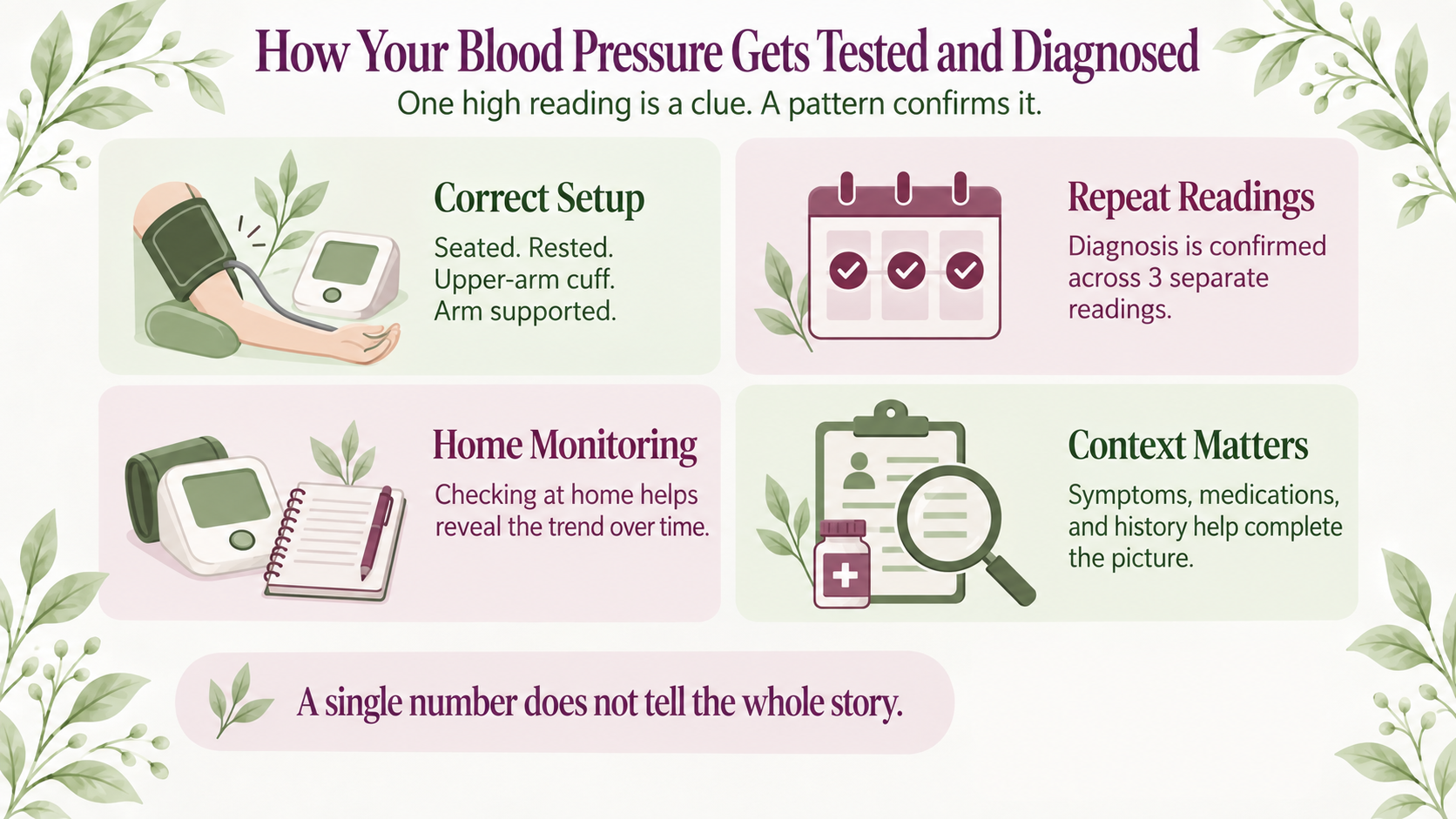
A diagnosis of high blood pressure generally requires elevated readings at three separate visits. This accounts for white coat syndrome, in which nervousness in a medical office raises blood pressure. Many patients measure 10 to 20 points higher in the office than at home. A much larger difference points to a true problem. A reading of 180 over 110, or 50 to 60 points above normal, isn't explained by white coat syndrome. If a first reading is 170 over 100, treatment does not wait for two more visits.
Long-Term Risks
Untreated high blood pressure increases the risk of heart attack, stroke, transient ischemic attack (TIA), dementia, cognitive decline, and heart failure. As with diabetes, long-term high blood pressure has been linked to memory loss. Dr. Katz notes that cancer, dementia, and heart disease rank among the most feared diagnoses, and two of the three, dementia and heart disease, connect directly to blood pressure and vascular health. When your heart does not pump properly, the effects extend beyond the cardiovascular system to the brain.
Diabetes and hypertension frequently occur together, and the majority of people with diabetes also have hypertension. Patients with both blood sugar and heart conditions fall under the term metabolic disorder, and Dr. Katz treats diet and lifestyle as the first line of care for both. Our articles on blood sugar testing and how to reverse insulin resistance naturally cover this overlap in more detail.
Causes of High Blood Pressure
For most adults, the main cause of high blood pressure is lifestyle, including diet and chemical exposure. Dr. Katz notes that a single factor can rarely be identified as the sole cause. Several factors usually contribute.
Excess Weight and Genetics
Obesity is a causative factor of hypertension. In the United States, up to 40 percent of people who are overweight have high blood pressure, compared with about 15 percent of people who are not overweight.
Many patients attribute both weight and blood pressure to family history. Research cited by Dr. Katz shows that when both parents are overweight or obese, the chance of their child being overweight or obese is 75 percent. When both parents are normal weight or underweight, the chance is under 25 percent. The pattern appears genetic, but families typically share the same diet and exercise habits. Genetics can play a role, but it does not remove the benefit of changing diet and lifestyle.
Salt
The salt that contributes to high blood pressure is the sodium in packaged foods, frozen foods, canned foods, and iodized table salt. Americans eat about 1.5 times the recommended daily salt limit. Over a year, that adds up to about 400,000 milligrams above the recommendation. Dr. Ryder explains that this type of salt, especially when it lacks other minerals, dehydrates your cells, and dehydrated cells raise blood pressure.
Smoking, Alcohol, and Caffeine
Active smokers have a significantly higher rate of high blood pressure and an increased risk of stroke and heart attack. Alcohol depletes vitamin B12 and folic acid, nutrients needed to reduce blood vessel inflammation. Regular alcohol use increases the likelihood of chronically inflamed blood vessels, higher blood pressure, and future heart attack and stroke.
Caffeine is a stimulant, and long-term use has been linked to increased blood pressure. Coffee in moderation is not considered a problem. Energy drinks are a greater concern.
Stress and Personality
Both acute and chronic stress cause inflammation, which can narrow blood vessels and raise blood pressure. Some research has linked Type A personality traits to heart disease. These traits include an outgoing nature, competitiveness, rigid organization, ambition, impatience, a proactive approach, a tendency toward workaholism, a strong focus on time management, and aggressiveness.
Dr. Ryder describes stress management approaches that include identifying stress triggers, taking breaks during stressful situations, exercising daily, eating nutritious foods, getting adequate sleep, making time for hobbies, and practicing yoga, meditation, or breathwork. Dr. Ryder regards talk therapy as underused. A trained professional can help identify stress triggers and effective ways to manage them.
Lack of Exercise
Exercise increases oxygen in your body, and oxygen naturally dilates blood vessels. Well-oxygenated blood vessels expand, which allows blood to flow more easily. For people with plaque in the arteries, that additional space within the vessels helps lower the risk of blockage and stroke.
Kidney Function, Sleep Apnea, and Thyroid
Your kidneys help regulate blood pressure, so kidney disease can raise it. Kidney problems can result from infections, diet, lifestyle, toxins, and heavy metals. Annual blood work that includes kidney function is a simple way to monitor this.
Obstructive sleep apnea, in which breathing stops repeatedly during sleep, is associated with both hypertension and obesity. During these pauses, low oxygen constricts blood vessels, so the body raises blood pressure to deliver blood to vital tissues. A sleep study is needed to diagnose it. Dr. Katz notes that whether apnea or hypertension develops first matters less than treating both and identifying the root cause.
Both low and high thyroid function can affect blood pressure. A thyroid storm, a severe surge in thyroid activity, can raise blood pressure to extremely high levels and is a medical emergency.
Medications and Other Substances
Medications and illegal drugs can raise blood pressure. Over-the-counter availability does not mean a product is free of side effects. Cough and cold medicines, including decongestants that contain pseudoephedrine, act as stimulants and raise blood pressure. Pharmacies require identification to purchase pseudoephedrine because it has been used to manufacture methamphetamine, which is also a stimulant.
Birth control pills can raise blood pressure. NSAIDs, including aspirin, ibuprofen, and naproxen, along with steroids and other anti-inflammatory drugs, can raise it as well. Dr. Katz notes that common pain relievers each tend to affect a particular organ: aspirin the stomach, Tylenol the liver, and ibuprofen the kidneys. Daily ibuprofen use can affect the kidneys and, as a result, blood pressure.
Herbal licorice root can raise blood pressure unless it is the DGL form, which removes the alcohol component. Many online warnings about licorice do not make this distinction. Licorice candy is not the concern here.
Primary and Secondary Hypertension
Primary hypertension, also called essential hypertension, develops gradually over many years, typically with plaque buildup in the arteries, known as atherosclerosis. Diet and lifestyle are the main contributors.
Secondary hypertension results from another condition in the body. Causes include kidney infections and kidney failure; adrenal gland problems, ranging from excess adrenal production to an adrenal tumor, since the adrenal glands produce cortisol, which affects blood pressure; congenital heart defects present from birth; and the medications and substances described above.
How Your Blood Pressure Gets Tested and Diagnosed
Home Monitoring
A blood pressure cuff is the standard tool. You can compare a home cuff reading, wrist or upper arm, with a reading at your doctor's office to confirm it is calibrated correctly. Dr. Katz prefers upper arm cuffs, though a wrist cuff is an acceptable alternative when an arm cuff is difficult to use at home.
Accurate home monitoring depends on a few practices:
Consistent timing. Readings taken at the same time each day, such as right after waking or right before bed, are comparable. Readings taken after meals or activity fluctuate.
One reading per day. Dr. Ryder notes that frequent checking and worry about the number can raise blood pressure on its own.
A single reading at a time. Several back-to-back readings are inaccurate, since each one compresses the arm.
Proper position. Sitting still for a few minutes beforehand, without crossing the legs, produces a more accurate result.
A written log. Without a record, patients often cannot report their typical home readings, which makes comparison with office readings difficult.
Grocery store and pharmacy machines are recalibrated regularly. The most accurate reading comes before shopping or paying, after you sit in the chair beside the machine for about five minutes.
Clinical Testing
Listening to your heart with a stethoscope can detect arrhythmias and heart rate abnormalities, which may lead to a referral to a cardiologist.
Blood work adds important information. A comprehensive metabolic panel measures electrolytes such as potassium and sodium, which are closely linked to blood pressure, along with kidney function. A lipid panel measures cholesterol, triglycerides, good and bad cholesterol, and large and small fat particles. Higher levels of circulating fats are more likely to stick to the artery walls.
Cortisol, the body's primary stress hormone, can raise blood pressure when it is too high. You can measure it with a fasting morning blood test, ideally before 9 a.m., or with a saliva test that collects samples throughout the day to map the cortisol curve. NPG offers a saliva test, which Dr. Katz considers more accurate and more useful for treatment than a single blood draw.
Additional tests include a sleep study for suspected sleep apnea, an EKG to evaluate heart function, and an eye exam. The eyes have arteries like the rest of the body, and increased pressure seen during an eye exam can indicate a systemic problem rather than an eye problem alone. When needed, angiography directly assesses artery blockages.
Conventional Treatment
Conventional treatment for high blood pressure focuses on medication that lowers blood pressure, not on identifying its cause. Dr. Katz notes that when the cause is not addressed, patients often remain on medication for decades.
ACE inhibitors, such as lisinopril and ramipril, are the first-line drugs. They lower blood pressure by relaxing the blood vessels so blood flows more easily.
Calcium channel blockers, such as amlodipine, prevent calcium from entering heart and artery cells. When calcium enters these cells, it increases vascular resistance and raises blood pressure.
Beta blockers, such as carvedilol, metoprolol, and atenolol, block adrenaline's stimulating effect. Heart rate slows, heartbeats become less forceful, and blood pressure falls.
Diuretics, such as hydrochlorothiazide, are often called water pills. They reduce the body's water and sodium content, lowering the volume of fluid moving through the blood vessels. Some diuretics cause potassium loss, so doctors often prescribe a potassium supplement with them. Others are potassium-sparing. Doctors commonly prescribe diuretics when high blood pressure is accompanied by swelling, or edema.
Nitric oxide drugs, including Viagra, Levitra, and Cialis, were originally developed as blood pressure medications. Their blood pressure effects were modest, so people used them widely for other purposes.
Common side effects of blood pressure medications include dizziness, headaches, swelling in the legs or feet, and stomach problems. Fatigue is the most common complaint because slower blood flow reduces oxygen delivery throughout the body. Report side effects to the prescribing doctor.
Dr. Steven Katz and Dr. Loreena Ryder do not direct anyone to start or stop a medication. Discontinuing blood pressure or heart medication without a doctor's approval, lab testing, and monitoring can be extremely dangerous. Any change should be discussed with the prescribing physician.
Tracking the Full Picture
A consistent log of home readings over several weeks gives a physician far more useful information than an estimate. Combined with blood work that evaluates kidney function, lipids, and cortisol, it helps identify what is driving your blood pressure rather than treating the reading alone.
Narrowed, inflamed blood vessels affect more than blood pressure. The same pattern shows up in poor circulation, and our article on what causes varicose veins explains how it follows the same vascular pathway.
A whole-health assessment brings these factors together, since blood pressure is closely connected to metabolic health, sleep, and stress. A personalized evaluation can help determine which of these factors apply to you, based on your symptoms, labs, history, and goals.
When Further Evaluation Is Warranted
An uncontrolled reading of 180 over 120, or one accompanied by an irregular heartbeat, is a medical emergency. Recurring nosebleeds, a heart that regularly seems to skip a beat, and shortness of breath with ordinary activity warrant clinical evaluation, particularly for anyone who has not had a full workup. If you take blood pressure medication, make any changes with your prescribing physician, since stopping medication without guidance can be dangerous.
This content is for educational purposes only and is not medical advice. Make treatment decisions with a qualified healthcare provider who understands your symptoms, history, labs, and goals.
FAQs
What blood pressure reading is considered a medical emergency?
A reading of 180 over 120 is classified as severe. When it is uncontrolled or accompanied by an irregular heartbeat, it requires emergency care.
Can you have high blood pressure without any symptoms?
Yes. Many people have no symptoms, and for many patients the first symptom is a heart attack. Routine blood pressure checks and home monitoring identify the problem earlier.
Does high blood pressure run in families?
Genetics can play a role, but families also share diet and lifestyle habits. When both parents are overweight or obese, the chance of their child being overweight or obese is 75 percent, largely because of shared eating and exercise habits.
How often is it best to check blood pressure at home?
Once a day, at a consistent time and under similar conditions. Several readings in a row, or frequent checking out of worry, can raise the reading and obscure the true pattern.
Is Part 2 of this series about natural approaches to blood pressure?
Yes. This article covers what high blood pressure is, what causes it, and how doctors diagnose and treat it conventionally. Part 2 covers the naturopathic approach to blood pressure.
Ready to Take a Closer Look at What Your Body Is Telling You?
Dr. Steven Katz and Dr. Loreena Ryder offer personalized, root-cause evaluations for patients who are tired of being told their labs look fine.
Schedule a consultation at naturopathicgroup.com/contact
Phone: (480) 451-6161
Email: [email protected]
Location: Naturopathic Physicians Group, 9200 E. Raintree Dr., Suite 150, Scottsdale, AZ 85260