

Why Your Daily Habits May Be Causing All Your Pain
You have tried the medications. You have rested. You have pushed through. And the pain is still there.
At Naturopathic Physicians Group in Scottsdale, Dr. Steven Katz and Dr. Loreena Ryder hear this story every week. Patients arrive after years of frustration, having seen specialist after specialist, only to be handed another prescription or told to manage their expectations. What nobody has asked them yet is the one question that changes everything: Are you causing your own pain?
That question is not an accusation. It is an invitation. Because if your habits are contributing to your pain, you have real power to change your situation. And for most people living with chronic pain, the honest answer is yes, at least in part.
Key Takeaways
80% of your body's inflammation originates in the digestive tract, making diet one of the most powerful pain drivers.
Physical, chemical, and emotional stress all create inflammation that worsens chronic pain.
"Organic" and "gluten-free" labels do not make a food anti-inflammatory or healthy.
Heavy metals, artificial sweeteners, and personal care products are hidden chemical stressors most people never consider.
Prolotherapy and PRP therapy address structural damage at the root level rather than suppressing symptoms.
You can control more of your pain than you have been told.
Your Body Is Not Betraying You. It Is Responding to What You Give It.
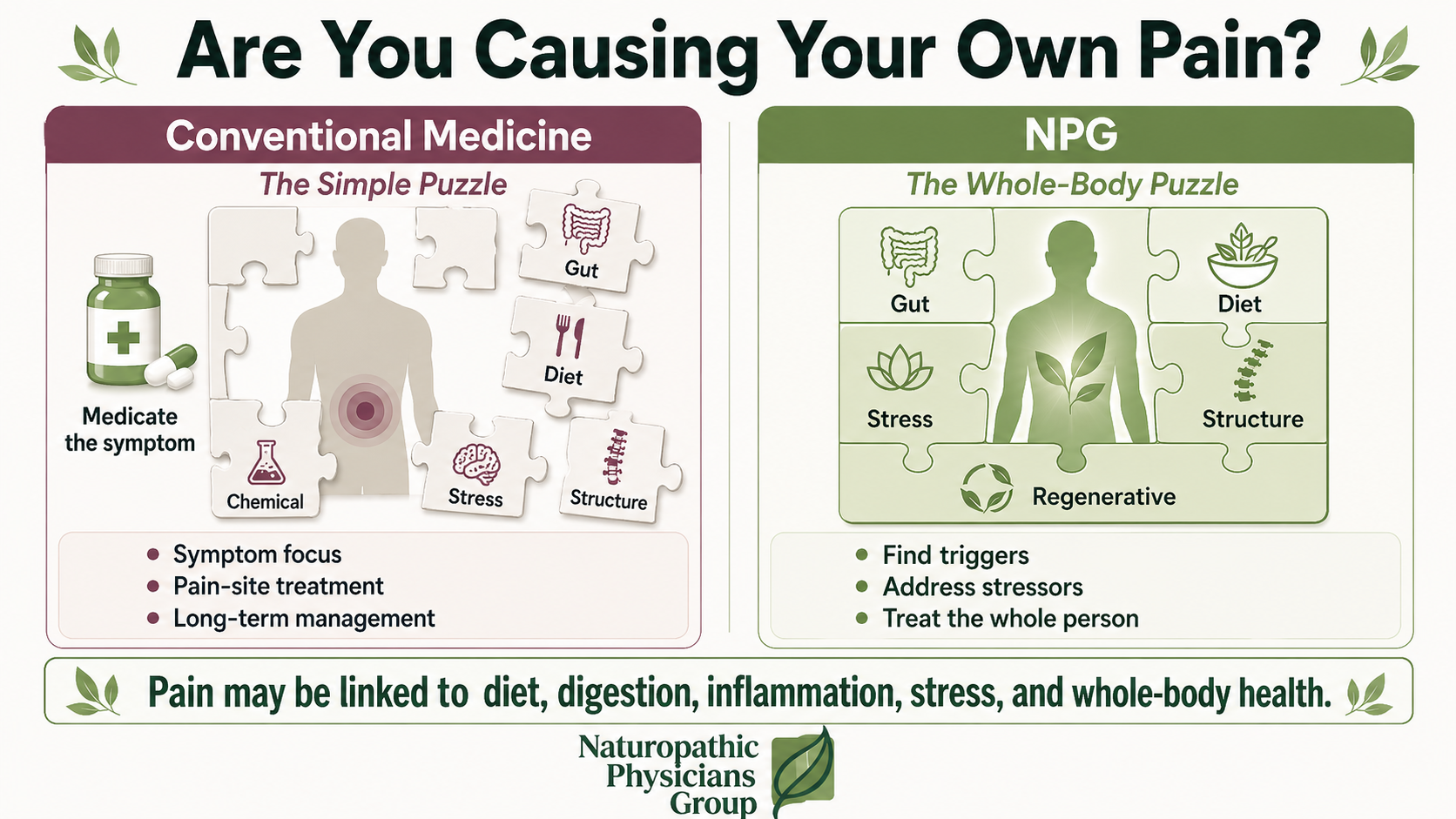
Chronic pain is not random. Your body does not just decide one day to make your life miserable. Pain is a signal. It is your body telling you that something is wrong and that the current approach is not working.
Dr. Katz and Dr. Ryder have spent their careers asking the question most doctors skip entirely. Not just what hurts or which drug will quiet the signal, but why is this happening?
When they look at a patient's daily life, the same patterns show up again and again. Poor diet. Hidden chemical exposures. Unmanaged stress. Structural damage that was never properly treated. These are not vague lifestyle suggestions. These are measurable, addressable contributors to inflammation. And inflammation is the engine behind most chronic pain.
The conventional medical system is not designed to address these root causes. The World Health Organization has stated that 90% of diseases today are not treatable through standard medical procedures. That is not a fringe opinion. That is a global health organization acknowledging that the current model is built around symptom management, not resolution.
Medicare's own handbook makes a similar admission. It states that care seeking to prevent disease, promote health, and prolong and enhance the quality of life is not considered medically necessary. The system you have been paying into your entire working life has formally decided that keeping you well is not its job.
That means the responsibility falls to you. And that is actually empowering.
The Three Types of Stress That Are Quietly Inflaming Your Body
Dr. Katz and Dr. Ryder describe three distinct categories of stress that drive chronic inflammation and pain. Most people only ever think about one of them.
Physical Stress
Physical stress is the most obvious category. It includes car accidents, sports injuries, repetitive strain, structural damage, and any trauma your body has experienced. Some of this you could not control. An injury from a car accident is not your fault. But some physical stress is self-inflicted. If you are grinding through intense training without adequate recovery, you are creating wear and tear that accumulates. If you have had structural damage and never pursued real treatment beyond anti-inflammatories, that damage does not resolve on its own. It compounds.
Physical structure is the foundation. If that foundation is compromised and never addressed, everything built on top of it remains unstable.
Chemical Stress
This is the category most people never think about, and it may be doing more harm than anything else in their daily lives.
Chemical stress includes what you eat, what you drink, and what you put on your body. Artificial sweeteners are a major source. Products like NutraSweet, Equal, and Splenda are in diet sodas, protein bars, yogurt, and even toothpaste. Dr. Katz notes that research consistently shows artificial sweeteners do not improve diabetes outcomes. They may actually worsen insulin resistance and accelerate type 2 diabetes progression by triggering insulin responses without delivering actual sugar.
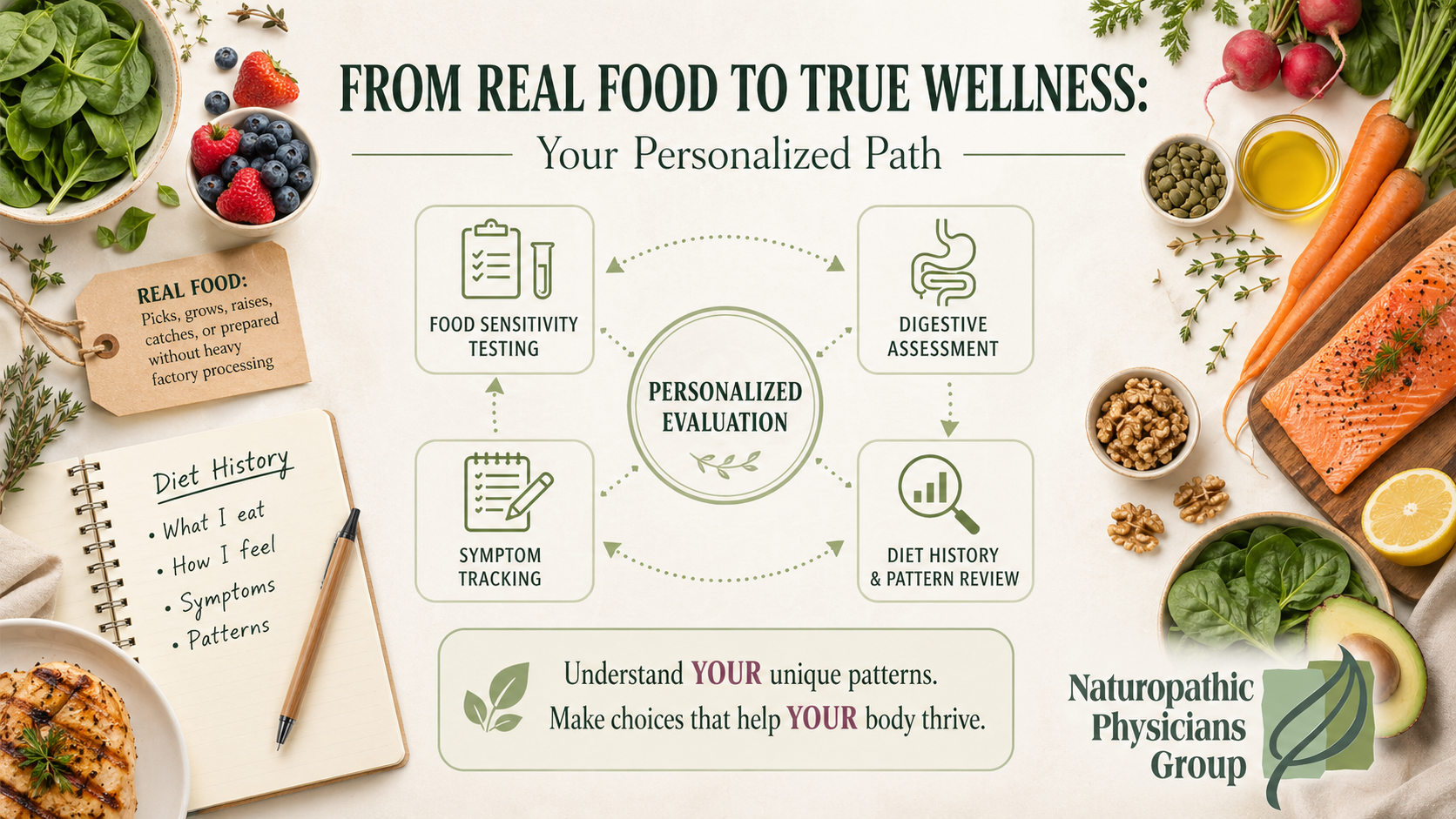
Processed foods are another enormous source of chemical stress. Real food, meaning fresh produce, quality meat, and foods that have not been through a factory, is what the body is designed to process. Everything else is a foreign substance your body has to work to manage.
Heavy metals are chemical stressors that most patients dismiss because they assume exposure requires working near industrial sites. That is not accurate. Heavy metals exist in air, water, and soil. Dr. Ryder notes that if you are over 40, you almost certainly carry some level of heavy metal accumulation simply from growing up in the modern world. Leaded fuel, leaded pipes, paint, mercury thermometers, and metal dental fillings are part of the exposure history of most adults today.
Personal care products are another daily chemical load most people never consider. Antiperspirants containing aluminum, synthetic fragrances, and certain sunscreens all introduce chemicals the body must process. The average person applies over 100 chemicals to their body before leaving the house each morning. That is a meaningful burden on the liver and a real contributor to systemic inflammation.
Emotional Stress
Emotional stress is real, measurable, and directly linked to physical pain. Chronic emotional stress elevates cortisol, which drives inflammation throughout the body. It also disrupts hormone balance. When hormones are out of balance, your ability to handle stress decreases further. It becomes a self-reinforcing cycle.
Some emotional stressors are unavoidable. Grief, loss, difficult relationships, and financial pressure. These are part of life. But many emotional stressors are controllable. How much news do you consume? How invested you become in things outside your control like politics. The point is not to eliminate all stress. It is to recognize which stressors you are choosing and decide if they are worth the cost.
Dr. Ryder adds an important nuance. If you have a hormone imbalance, your capacity to handle emotional stress is already reduced. Treating the hormonal root cause makes you more resilient to the stressors you cannot avoid.
What "Healthy" Food Labels Are Actually Telling You
If you walk through the health food aisle of a grocery store and feel confused, you are not alone. The labeling is designed to create the impression of health, not to deliver it.
Organic means the product was grown without synthetic pesticides. It does not mean the food is nutritious or anti-inflammatory. Organic sugar is still sugar. It causes inflammation regardless of how it was grown. Organic gummy bears are still candy.
Gluten-free presents a similar problem. Many gluten-free products compensate for the loss of gluten's flavor by adding more sugar. Dr. Katz points out that gluten-free bread often contains more sugar per slice than regular bread. That is not a health upgrade.
The foods that actually reduce inflammation are not in the health food aisle. They are in the produce section, and at your local farmers' market. Fresh fruits and vegetables. Organic lean proteins like chicken and turkey. Wild-caught fish, never farmed. Grass-fed, grass-finished beef is what you choose when you want red meat.
Dr. Ryder makes it simple. Real food is something picked from the ground or sourced from a butcher. It has not been through a factory. It does not come in a box, a bag, or a can.
Dr. Katz adds one more layer worth understanding. Even foods marketed as natural are not always what they seem. Dairy labeled "no added hormones" still contains hormones naturally. Those hormones interact with your body when you eat them, and they can disrupt your hormonal balance. It is one of the reasons Dr. Katz and Dr. Ryder recommend keeping dairy consumption in check, particularly for patients dealing with hormonal pain or inflammation.
What Is Inflammation and Why Does It Drive Pain?
Inflammation is not the enemy. It is your body's healing response. When tissue is damaged, your body sends inflammatory signals to the area to begin repair. The problem is not inflammation itself. The problem is chronic, low-grade inflammation that never resolves because the underlying triggers are never removed.
According to Dr. Katz, 80% of your body's inflammation originates in the digestive tract. What you eat every day has a direct and measurable impact on how much inflammation is circulating throughout your entire body, including in your joints, muscles, and connective tissue.
This is why two people with the same structural injury can experience dramatically different pain levels. The person eating processed food, sugar, and inflammatory proteins is creating a constant inflammatory load on top of their injury. Their body never gets the chance to heal. The person eating clean, whole foods is giving their body a fighting chance.
The food allergy/sensitivity panel Dr. Katz and Dr. Ryder offer at NPG identifies exactly which foods are triggering inflammation in your specific body. Not generic advice. Real data unique to you.
How NPG Treats Chronic Pain at the Root Level
At Naturopathic Physicians Group, treatment starts with understanding the full picture. That means looking at diet, stress, chemical exposures, and lifestyle, not just the location of the pain. Treatment is then personalized around what is actually driving the inflammation and structural damage in that specific patient.
Prolotherapy
Prolotherapy involves injecting a solution into damaged ligaments, tendons, and joints to stimulate the body's natural healing response. Rather than suppressing inflammation with steroids, prolotherapy triggers a healing cascade that strengthens connective tissue over time. Dr. Katz and Dr. Ryder both use this treatment personally. It is not something they simply recommend to patients. It is something they trust in themselves and their families.
PRP Therapy
Platelet-rich plasma therapy uses the patient's own blood, concentrated for healing factors, and injected into damaged tissue. PRP accelerates tissue repair in joints, tendons, and ligaments that have broken down over time. It is particularly effective for degenerative joint conditions and chronic pain in the spine.
Disclaimer: The discussion of these therapies is for educational purposes only. Please consult a medical professional who knows your personal history before starting any new therapies.
Acupuncture
Acupuncture addresses both structural pain and the underlying inflammatory load. Dr. Katz notes that specific acupuncture points even address food cravings, which can support the dietary changes that reduce inflammation. It treats systemic inflammation beyond localized pain, making it a versatile part of a comprehensive plan.
Spinal Manipulation
Spinal manipulation addresses structural alignment and reduces the mechanical stress that contributes to chronic pain. When combined with regenerative injection therapy, it supports overall recovery and healing.
Food Allergy/Sensitivity and Heavy Metal Testing
A food allergy/sensitivity panel identifies which foods are triggering inflammation in your specific body. Heavy metal testing identifies toxic accumulation that may be contributing to systemic inflammation. These tests provide actionable data rather than generic advice.
Targeted Supplements That Support Pain Relief and Healing
Dr. Katz and Dr. Ryder discuss several supplements in this episode that support pain reduction and tissue repair. These are tools they use with their patients and, in several cases, personally.
Collagen: Dr. Ryder uses collagen multiple times daily. It supports connective tissue repair and works alongside prolotherapy and PRP treatments to accelerate the healing process.
Biotin: A B vitamin that supports connective tissue, tendons, ligaments, and joints. It also supports hair, skin, and nail health as a secondary benefit.
Curcumin (Turmeric): A potent natural anti-inflammatory. Dr. Ryder prescribes it regularly in both capsule and powder form. Capsules provide a higher concentration. Powder can be mixed into meals, though it does stain, so use kitchen towels you do not mind turning orange.
Ginger: Addresses both structural inflammation and digestive inflammation simultaneously. Effective for acid reflux, digestive repair, and joint pain, including osteoarthritis. Also helpful for nausea.
Astaxanthin: A powerful antioxidant with strong anti-inflammatory properties. Also supports eye and skin health.
Fish Oil (Omega-3s): Wild-caught, small fish source only. High-dose omega-3s reduce inflammatory load and support the body's healing processes throughout.
Disclaimer: The discussion of these supplements is for educational purposes only. Please consult a medical professional who knows your personal history before starting any new therapies.
What Happens If You Keep Accepting the Pain
If nothing changes, the pain does not stay the same. It gets worse.
Chronic inflammation that is never addressed does not plateau. It creates ongoing damage to joints, tissues, and organs. The dietary habits feeding the inflammation keep compounding the problem. The chemical exposures burdening your liver and disrupting your hormones keep accumulating. The structural damage that was never properly treated deteriorates further over time.
Your world starts to shrink. You stop doing the things you used to love because they hurt too much. You decline invitations. You modify your exercise, then stop it entirely. You manage your life around your pain instead of living it.
The conventional system is not designed to rescue you from this. It is designed to manage symptoms and bill for services. If you want root-cause resolution, you have to seek it out. Knowing that puts the power back in your hands.
What Life Looks Like When You Address the Root Causes
When patients at Naturopathic Physicians Group start treating the actual causes of their pain, the shift is real, and it is significant.
Energy returns. When inflammation decreases, the body stops spending all its resources managing a constant crisis. Patients feel clearer, more capable, and more like themselves again.
Mobility improves. Joints that were stiff and painful start moving more freely as the inflammatory load drops and connective tissue begins to heal properly.
The relationship with food changes. When you understand what your specific body reacts to and start eating foods that support tissue repair, the cravings for inflammatory foods naturally diminish. Dr. Ryder describes getting rid of sugar cravings completely as a kind of freedom most people have never experienced.
Most importantly, patients stop feeling like their body is the enemy. They understand the cause. They know what to do. And they have a team that is genuinely interested in getting them well, not just managing them long term.
Action Steps You Can Take Right Now
Audit your diet for the most common inflammatory foods.
Remove sugar, artificial sweeteners, dairy, gluten, and processed foods for two weeks and track your pain levels.Read the labels on your personal care products.
Look for aluminum in antiperspirants, synthetic fragrances in lotions and shampoos, and chemical sunscreen agents. Start replacing the worst offenders with cleaner alternatives one at a time.Identify which stressors you can control.
Write down your top three stressors. Circle the ones within your control. Start reducing your exposure to at least one of them this week.Switch to wild-caught fish and quality proteins.
Farmed fish carry a significantly higher toxic metal load. Wild-caught is non-negotiable. Choose organic lean meats and grass-fed, grass-finished beef when possible.Consider food sensitivity and heavy metal testing.
Stop guessing which foods are triggering your inflammation. Get tested and build your nutrition plan around real data specific to your body.Ask about prolotherapy or PRP if you have structural damage.
If you have a joint, ligament, or tendon issue, regenerative injection therapy is worth a serious conversation with Dr. Katz or Dr. Ryder.Add one anti-inflammatory supplement and stay consistent.
Curcumin, ginger, and fish oil are all well-supported options from this episode. Start with one, give it at least 60 days, and note the difference.
This information is educational and not a substitute for professional medical advice. Always consult your healthcare provider before making major health changes.
Frequently Asked Questions
Can the food I eat really cause chronic pain?
Yes, and for many people, it is one of the primary drivers. Dr. Katz explains that 80% of the body's inflammation originates in the digestive tract. When you regularly eat foods your body reacts to, including sugar, processed foods, gluten, dairy, and artificial sweeteners, you create systemic inflammation that amplifies pain throughout your entire body, including in your joints, muscles, and soft tissue.What foods cause the most inflammation?
The most common inflammatory foods include refined sugar, artificial sweeteners, dairy, wheat and gluten, eggs in some individuals, and anything that has been processed in a factory. Dr. Katz and Dr. Ryder put it simply. If a food has been through a factory and placed in a box, bag, or can, it is likely contributing to inflammation rather than reducing it.Are organic and gluten-free foods actually healthier?
Not automatically. Organic simply means produced without synthetic pesticides. Organic sugar still causes inflammation. Gluten-free products often compensate for the loss of gluten by adding more sugar, making them potentially more inflammatory than their conventional counterparts. The healthiest foods are fresh, whole, and unprocessed, regardless of what the label says.What are chemical stressors, and how do they affect pain?
Chemical stressors are substances your body absorbs from food, beverages, and personal care products that create a toxic load and systemic inflammation. Examples include artificial sweeteners, heavy metals found in air, water, and soil, aluminum in antiperspirants, and synthetic fragrances. Dr. Ryder notes that most adults over 40 carry some level of heavy metal accumulation simply from growing up in an era of leaded fuel, pipes, and paint.What is the difference between prolotherapy and a steroid injection?
They work in opposite directions. Steroid injections suppress inflammation temporarily but do not heal the underlying tissue. Over time, they can actually weaken connective tissue. Prolotherapy stimulates the body's natural healing response by triggering a controlled reaction in damaged ligaments, tendons, and joints. The goal is tissue repair and long-term structural stability. Both Dr. Katz and Dr. Ryder use prolotherapy personally.How does emotional stress cause physical pain?
Chronic emotional stress elevates cortisol, which drives systemic inflammation throughout the body. It also disrupts hormone balance, which reduces your capacity to handle stress effectively. The result is a cycle where emotional stress worsens physical pain, and physical pain increases emotional stress. Addressing hormone levels alongside stress management is part of how NPG approaches this for its patients.Can I just take supplements and skip the dietary changes?
Dr. Katz addresses this directly in the episode. Supplements can support healing, but they cannot replace a clean diet. If you are eating inflammatory foods throughout the day and then taking a fish oil capsule, you are not canceling out the damage. Supplements work best when they are supporting a body that is already receiving the right inputs from food.How do I know if I have a food allergy/sensitivity?
The most reliable way is through a food allergy/sensitivity panel. This test identifies which specific foods your body is reacting to. Dr. Katz and Dr. Ryder run this test regularly at NPG because it gives patients a personalized map of their inflammatory triggers rather than generic dietary advice that may or may not apply to their specific bodies.
Take the Next Step
If you are tired of managing pain instead of resolving it, Dr. Steven Katz and Dr. Loreena Ryder at Naturopathic Physicians Group are ready to help you find out what is actually driving your symptoms.
They do not hand you a prescription and send you home. They look at the full picture. Your diet, your stress load, your chemical exposures, your structural health. Then they build a plan around what your body actually needs.
You have been in pain long enough. This is the next step.
Schedule your consultation at naturopathicgroup.com/contact
Phone: (480) 451-6161
Email: [email protected]
Location: Naturopathic Physicians Group, Scottsdale, Arizona
Virtual consultations are available for patients throughout Arizona.