Why Your Hormones Keep Changing at Every Age (And What You Can Actually Do About It)
You've been exhausted for months, maybe years. Your mood swings without warning. You can't sleep through the night, or you can't get off the couch in the afternoon. Your brain feels slow, your weight has shifted in ways it never used to, and your doctor keeps telling you everything looks fine. If any of that sounds familiar, you're not imagining it, and you are definitely not alone.
Female hormones are one of the most complex, most misunderstood, and most undertreated areas in healthcare. The symptoms of hormone imbalance are real, they are wide-ranging, and for many women, they go unaddressed for years while they're handed birth control pills, antidepressants, or simply told to wait it out.
Here's what you actually need to know about why your hormones shift throughout your lifetime, what the symptoms mean, and what a more complete approach to evaluation and care can look like. If you missed our previous episode on whether your hormone therapy is actually bioidentical, that's a great place to start.
Key Takeaways
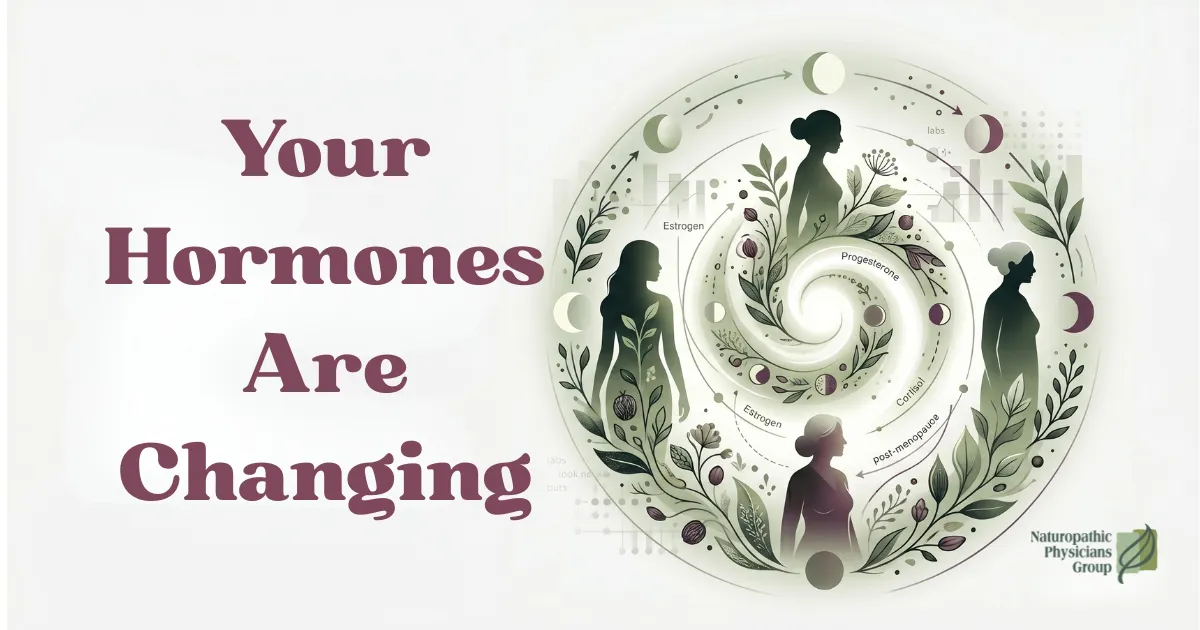
Female hormones fluctuate every single day throughout the childbearing years, which means your mood, energy, and body are always responding to a shifting internal environment.
The most common hormone deficiency Dr. Ryder sees in her practice is low progesterone, which can start declining as early as your 30s and shows up as heavy periods, PMS, ovarian cysts, and uterine fibroids.
Conventional hormone testing is often done at the wrong time in a woman's cycle and may miss critical markers, leaving women with incomplete answers.
Bioidentical hormone therapy is customized, compounded specifically for each patient, and research published in 2019 reversed earlier concerns about hormone therapy and cancer risk.
Two simple foods, sesame seeds and sunflower seeds, may support natural progesterone production and can be added to your diet starting now.
The Symptoms Are Real — Even If You've Been Told Otherwise
Hormone imbalance does not look the same in every woman, and it does not fit neatly into one age group. It can show up as acne, fatigue, irritability, mood swings, unexplained weight gain, early signs of aging, and loss of muscle mass. It can look like brain fog, hair loss, irregular periods, insomnia, anxiety, or decreased libido. For some women, it means a diagnosis like ovarian cysts, uterine fibroids, or polycystic ovarian syndrome (PCOS). For others, it is simply a persistent feeling that something is off, but no one can quite tell them what.
What makes this especially frustrating is that thyroid dysfunction can look nearly identical to a female hormone imbalance. The two often overlap. A thorough evaluation needs to consider both, not just one or the other. If you've had your thyroid checked but continue to feel unwell, it may not tell the full story.
Dr. Ryder describes three distinct groups of women she regularly sees in her practice, and there's a good chance you recognize yourself in at least one of them.
The first group is women in their 20s and early 30s who have been on oral contraceptive pills for most of their adult lives. When they decide to stop taking the pill, whether for health reasons, fertility planning, or simply personal preference, their bodies often struggle to regulate on their own. Symptoms like acne, depression, mood swings, and menstrual irregularities can return because their hormone production was suppressed for so long that the body needs support to find its baseline again.
The second group is women in their 30s and 40s dealing with fatigue, irregular periods, uterine fibroids, and PMS that feels more intense than it used to. These symptoms can mark the beginning of perimenopause, though many women in this age group are told they're too young for that conversation.
The third group is women 50 and older who are going through or have already been through menopause. They describe exhaustion, brain fog, weight gain, accelerated signs of aging, and loss of muscle mass. They are not looking for dramatic intervention. They just want to feel like themselves again.
Why Hormones Fall Out of Balance in the First Place
The female body is designed to regulate hormones through an intricate internal system. But several factors can disrupt that system, and most of them are very common in modern life.
Stress is the biggest one. Chronic stress, whether from work, relationships, financial pressure, or the relentless pace of daily life, affects hormone production in ways that compound over time. Cortisol, the stress hormone, and progesterone can essentially steal from each other. When cortisol is chronically elevated, progesterone production can suffer. When one is low, the other can be high, and that imbalance creates a ripple effect through the entire hormonal system.
Aging naturally reduces hormone production. The body also becomes less efficient at using the hormones it does produce. That's not a character flaw or a failure. It is biology, meaning the body sometimes needs support to function at its best.
Life transitions also play a significant role. Puberty, pregnancy, postpartum recovery, and menopause each bring enormous hormonal shifts. These transitions are normal, but they don't always go smoothly, especially when other stressors or nutritional gaps are present.
Certain medications affect hormone production. Steroids, for example, can reduce hormone output across the board. Birth control pills, taken long-term, suppress natural hormone production and deplete key nutrients, including B vitamins and magnesium.
Environmental toxins are a factor that often goes unmentioned in conventional settings. The chemicals and pollutants in our food, air, and everyday products are known as endocrine disruptors. They interfere with both the production of hormones and the body's ability to use them effectively. Dr. Ryder points to this as one reason why the average woman gains more weight during menopause now than previous generations did. Where women once typically gained five to ten pounds during the menopausal transition, many now gain ten to twenty.
What Conventional Testing Often Gets Wrong
When a woman brings hormone concerns to a conventional medical doctor, the standard response is usually blood serum testing. Blood labs can be useful, but they come with significant limitations that are not always explained to the patient.
First, timing matters enormously. Hormone levels shift throughout the menstrual cycle, and drawing blood at the wrong point can produce results that appear normal when they are not. Dr. Ryder frequently sees patients come in with lab results done at the wrong time in their cycle, with incomplete panels, or with numbers interpreted against a wide "normal" range that doesn't account for how the individual patient actually feels.
Second, labs are frequently incomplete. A standard hormone panel may check a few markers but miss progesterone, DHEA, cortisol, sex hormone binding globulin, pregnenolone, or other markers that paint the full picture. You can have the same lab result number as another woman and feel completely different symptomatically. The number is not the whole story.
Third, imaging is often skipped. A transvaginal ultrasound can rule out PCOS, uterine fibroids, and other structural issues that may be contributing to symptoms. Without it, some causes are simply missed.
Common conventional treatments for hormone-related symptoms include birth control pills, hormone patches, antidepressants, and anti-anxiety medications. Each has its place, but they are frequently used to manage symptoms rather than address root causes. Antidepressants and anxiolytics, in particular, are sometimes prescribed when a physician simply doesn't know what else to offer, which can further disrupt the underlying hormonal balance rather than correct it.
How Naturopathic Hormone Testing Works
The naturopathic approach starts with a thorough intake that goes beyond a quick checklist. Dr. Ryder spends a full hour with each new patient, asking about diet, hydration, sleep, stress, relationships, exercise, and full medical history. The goal is to understand the whole body, not just the symptom being reported.
For hormone testing, her preferred tool is the 24-hour urine test. Exactly as it sounds, you collect urine over a full 24-hour period at home. The sample is sent to a lab and measures not just hormone levels but metabolites, which tell you how the body is processing and detoxing the hormones it has. This is especially valuable for menopausal women and for women who are already on hormone therapy and need to know whether their bodies are handling it effectively.
For busier patients or women who are still menstruating, a five-point urine test is an alternative. You collect urine five times throughout one day. This version is more manageable for many women and still provides meaningful data when done on the correct days of the cycle.
Blood serum labs are also used, often in combination with urine testing. Some blood labs may be covered by insurance, which can help offset costs. Specialty urine testing is typically not covered and is a cash-pay expense.
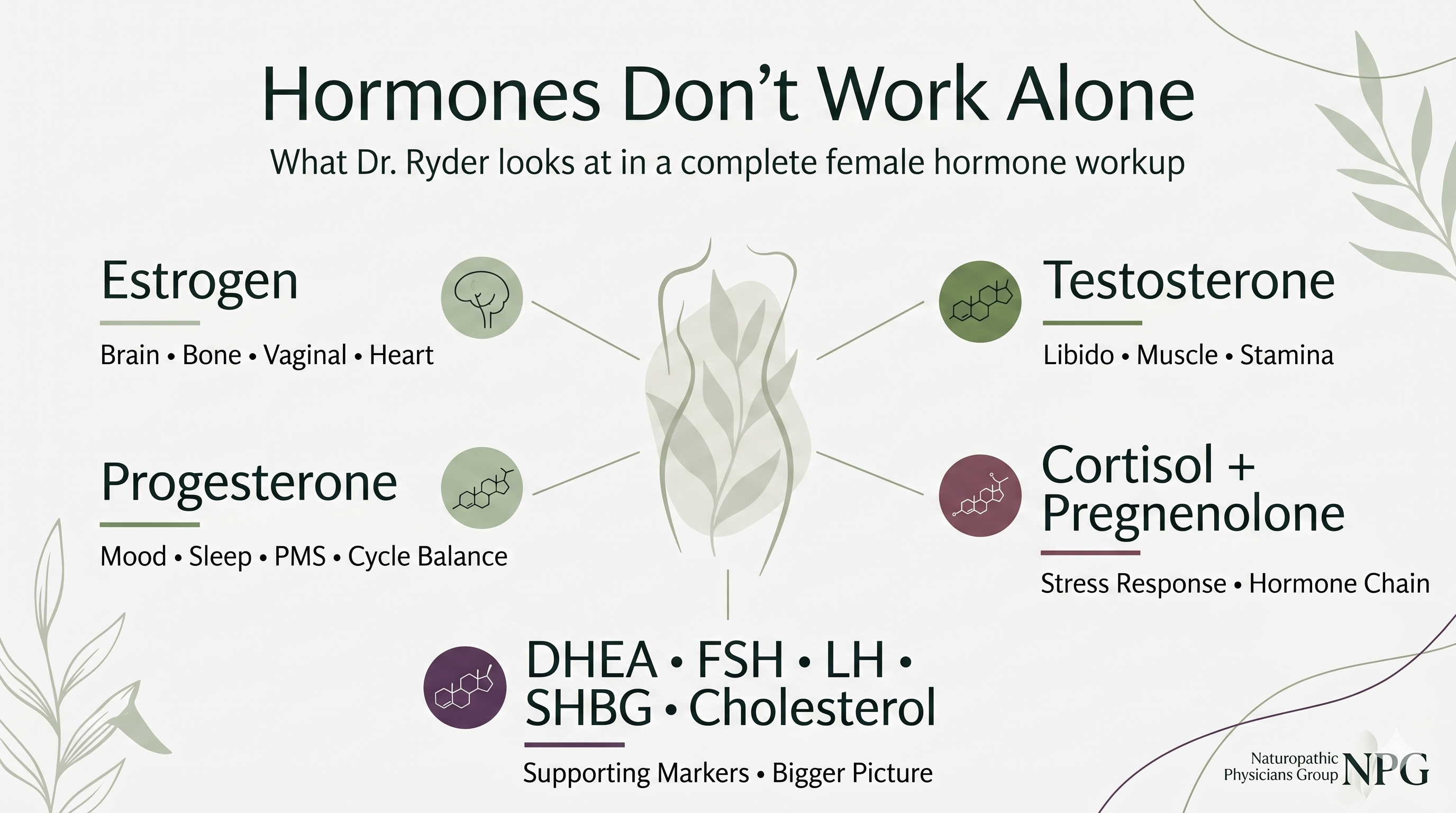
The hormones Dr. Ryder most commonly evaluates include estrogen, progesterone, testosterone, DHEA, cortisol, sex hormone binding globulin, FSH, LH, pregnenolone, and cholesterol. Each one plays a role in the larger hormonal picture, and understanding how they interact is what makes individualized treatment possible.
The Hormones That Matter Most: A Quick Guide
Understanding which hormones are being evaluated and what they do makes a meaningful difference for patients navigating their own care.
Estrogen is the hormone most closely associated with being female. It supports bone density, cardiovascular health, brain function, and vaginal health, among other things. When estrogen is low, women may experience vaginal dryness, pain during intercourse, and accelerated aging. When estrogen is elevated in men, it can cause the development of breast tissue, a condition called gynecomastia.
Progesterone is what Dr. Ryder calls the "feel-good relaxation hormone." It is best known for sustaining a pregnancy, but it remains important even when a woman is not pregnant, and even in small amounts in men. Progesterone often starts declining in a woman's 30s, before perimenopause technically begins. When levels drop, the result can be heavy or irregular periods, ovarian cysts, uterine fibroids, and intensified PMS.
Testosterone is not just a male hormone. Women need it too. It influences libido, muscle mass, and physical endurance. When testosterone is too high in women, it can cause facial hair growth and hair thinning in a male pattern. When it's too low, energy and drive can suffer.
Cortisol is the body's primary stress hormone, and it has a direct relationship with progesterone. If cortisol is chronically elevated, progesterone production is often suppressed. They essentially compete, which is why managing stress is not just a lifestyle suggestion but a clinical consideration in hormone balancing.
Pregnenolone is known as the mother hormone because it is derived directly from cholesterol and serves as the precursor to nearly all other hormones. Research has linked low pregnenolone to cognitive decline and conditions like Alzheimer's disease. For patients with a family history of Alzheimer's, Dr. Ryder makes a point of checking this marker. It is easy to supplement if a deficiency is found.
Cholesterol also plays a role that surprises many patients. All sex steroid hormones are made from cholesterol. Women with eating disorders, malnutrition, or very low cholesterol may stop menstruating entirely because the body simply does not have enough raw material to produce a cycle. This is one reason Dr. Ryder approaches statin use cautiously and views cholesterol as a necessary building block, not just a risk factor.
The Progesterone Tip You Can Use Right Now
Before jumping to supplements or testing, there are food-based approaches that may support hormone production. Dr. Ryder regularly shares one particular tip for women experiencing PMS, ovarian cysts, uterine fibroids, or general moodiness around their menstrual cycle.
Sesame seeds and sunflower seeds can promote the body's natural production of progesterone. You don't need a special protocol. Add them to a salad, eat them by the handful, or mix them into whatever you're already eating. The principle here is one that naturopathic medicine leans on consistently: food can be medicine. These two seeds are an accessible starting point for women who want to take a small, practical step while they gather more information or decide whether to pursue formal testing.
This content is for educational purposes only and is not medical advice. If you are dealing with significant hormonal symptoms, this is a complement to, not a replacement for, a proper evaluation. Treatment decisions should be made with a qualified provider who understands your full history.
What Bioidentical Hormone Therapy Actually Involves
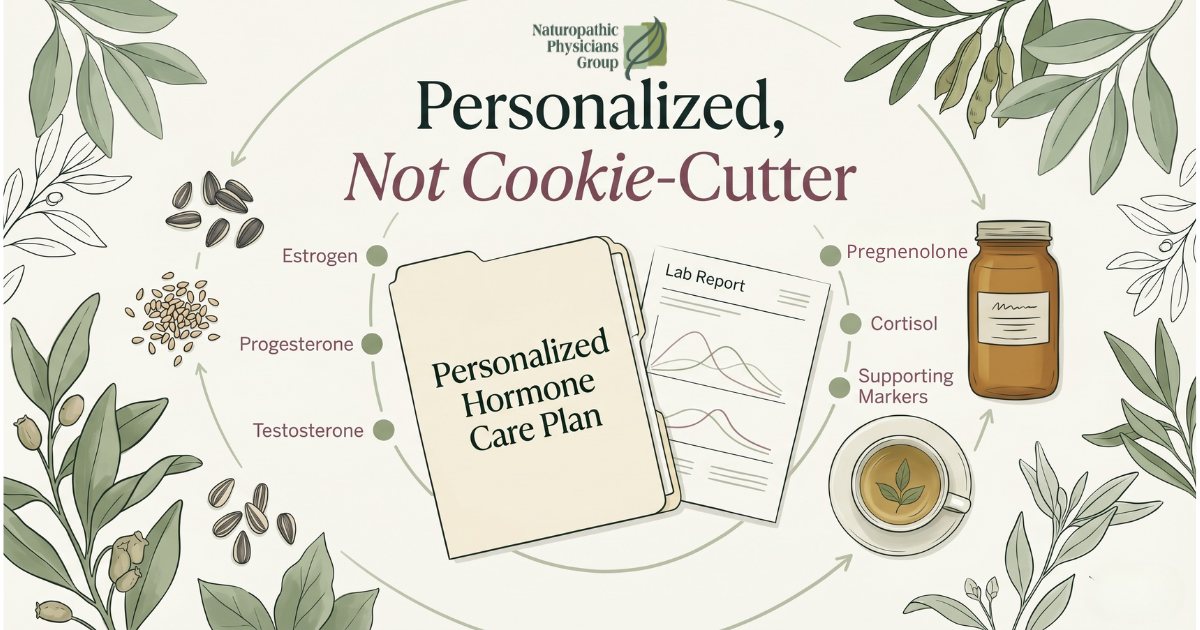
For women who are ready to pursue more direct hormone support, bioidentical hormone therapy (BHRT) is the approach Dr. Ryder specializes in. The term can sound intimidating, but the concept is straightforward. Bioidentical hormones are custom-compounded at a specialty pharmacy to match each patient's specific needs, based on their testing results, symptoms, and goals. There is no one-size-fits-all formula. The dose and delivery method are tailored to the individual.
Delivery methods include topical creams applied once or twice daily, vaginal suppositories (which Dr. Ryder notes offer particularly high bioavailability), dissolvable troches placed under the tongue, oral capsules, and subcutaneous pellets inserted under the skin. Most patients start with cream applications and adjust as their response to treatment develops.
Getting the dose right takes time and regular testing throughout the year. Hormones can shift in response to stress, life changes, or changes in health. Dr. Ryder describes checking in with patients who notice something feels off and then running labs to confirm whether an adjustment is needed. The goal is always to treat how the patient feels, not just what the number says.
One common concern patients bring to these conversations is safety. About 20 years ago, a large study called the Women's Health Initiative raised concerns that hormone therapy increased cancer risk. That finding caused significant alarm and led many women to avoid hormones entirely. However, research published in 2019 challenged and reversed those earlier conclusions. The updated evidence suggests that bioidentical hormone therapy is not only safe when properly managed, but may actually be protective for brain, heart, and gut health. Regular testing is part of how that safety is monitored over time.
BHRT is not covered by insurance and is a cash-pay treatment. Dr. Ryder's patients consistently report that it has been worth the investment for the quality of life it restores.
For women who do not want to use hormone therapy, or who prefer a gentler approach, herbal and nutritional support is a legitimate alternative. Supplements containing dong quai and black cohosh have supported symptom relief in perimenopause for some patients. The right supplement depends on the individual's situation, and a naturopathic evaluation can help identify which approach makes the most sense.
Before Hormones: Preparing the Body First
Regardless of which treatment path a patient chooses, Dr. Ryder's approach always begins with optimizing the body's foundational functions before adding hormone therapy. Diet, lifestyle, sleep, and stress management are evaluated first. If changes are needed, those come before anything else.
Detox pathways are a key part of this preparation. The liver and digestive system need to process and clear hormones effectively, or they can recirculate and create an imbalance. Nutrient-dense foods, targeted supplements, and sometimes IV therapy are used to supply the cofactors the body needs for these chemical processes to work correctly. Dr. Ryder describes it simply: trying to balance hormones without addressing detox pathways is like assembling a toy car without all the parts. The car might come together, but it won't run the way it should.
For women coming off birth control pills, supplementing B vitamins, magnesium, and other nutrients that the pill depletes is often an early priority. For women with skin concerns like acne, vitamin A and fish oil may be added. Every plan is built around the individual, not a generic protocol.
When to Seek Professional Support
Not every hormone concern needs immediate clinical intervention. If you are in your 30s and experiencing PMS or mood shifts around your cycle, dietary changes and targeted food choices may be all you need to feel significantly better. If your symptoms are mild and manageable, starting with food-based strategies is a reasonable and low-risk first step.
But if you are experiencing persistent fatigue, sleep disruption, brain fog, significant weight changes, irregular periods, or symptoms that are affecting your ability to function, those are signs that a proper evaluation is warranted. The same is true if you have been told your labs look normal and you still don't feel well, because "normal" on a standard panel does not always mean complete.
Women at any age, from teenagers dealing with hormonal acne to women in their 80s managing post-menopausal health, can benefit from a naturopathic evaluation that looks at the whole body rather than just the most obvious symptom. The goal is not to mask what you are experiencing. It is to understand what is driving it.
Frequently Asked Questions
Is bioidentical hormone therapy safe?
Research published in 2019 challenged earlier findings that linked hormone therapy to increased cancer risk. The updated evidence suggests bioidentical hormones, when properly prescribed and monitored, are not cancer-causing and may actually support brain, heart, and gut health. Regular testing throughout the year is part of how safety is maintained. Always discuss your individual history with a qualified provider before starting any hormone therapy.
When should I get my hormones tested?
Timing matters significantly. For women who are still menstruating, hormone blood labs should be drawn on specific days of the cycle for the most accurate results. Dr. Ryder's preferred method is the 24-hour urine test, which measures both hormone levels and metabolites and can be completed at home. A naturopathic evaluation helps determine which test is right for your situation.
Can foods really affect my hormone levels?
Some foods do support hormone production. Sesame seeds and sunflower seeds, for example, may promote progesterone production, which makes them a practical option for women experiencing PMS, ovarian cysts, or mood shifts around menstruation. These are not cures, but they are an accessible starting point consistent with the naturopathic principle of using food as medicine.
What is the difference between bioidentical hormone therapy and conventional hormone treatment?
Conventional hormone treatments like patches or birth control pills use standardized doses that are the same for every patient. Bioidentical hormone therapy is custom-compounded at a specialty pharmacy based on your specific lab results, symptoms, and health goals. The dose, form, and delivery method are all individualized. This approach is not covered by insurance and is a cash-pay service, but it allows for a level of precision that standardized treatments do not offer.
What is progesterone, and why does it matter?
Progesterone is sometimes called the feel-good relaxation hormone. It supports mood stability, sleep quality, and a healthy menstrual cycle. Most people associate it with pregnancy, but it plays an important role throughout a woman's life, even when she is not pregnant. Production can begin declining as early as the 30s, which may explain symptoms like heavy periods, intense PMS, ovarian cysts, and uterine fibroids in younger women.
Ready to take a closer look at what your body is telling you? Dr. Steven Katz and Dr. Loreena Ryder offer personalized, root-cause evaluations for patients who are tired of being told their labs look fine.
Schedule a consultation at naturopathicgroup.com/contact
Phone: (480) 451-6161
Email: [email protected]
Location: Naturopathic Physicians Group, 9200 E. Raintree Dr., Suite 150, Scottsdale, AZ 85260
This content is for educational purposes only and is not medical advice. Treatment decisions should be made with a qualified healthcare provider who understands your symptoms, history, labs, and goals.