

5 Mistakes Making Your Migraines Worse Every Month
You have tried the dark room. You have tried the painkillers. You have cut out wine, skipped your morning coffee, and downloaded a migraine tracker app. And every month, without fail, they come back.
At Naturopathic Physicians Group in Scottsdale, Dr. Steven Katz and Dr. Loreena Ryder see this pattern constantly. Patients arrive after years of managing their migraines rather than solving them. They are not failing. They are simply following advice that was never designed to get them well. There is a better way, and it starts with understanding what is actually making things worse.
This conversation comes directly from a recent episode of Your Health Is Wealth, where Dr. Katz and Dr. Ryder walked through the five most common mistakes that keep migraine sufferers stuck in a cycle they did not choose and do not have to stay in.
What Are Migraines and Why Do They Keep Coming Back?
Key Takeaways
Taking painkillers regularly can turn occasional migraines into a chronic condition.
Food sensitivities are one of the most common and most overlooked migraine triggers.
Structural problems in the neck and jaw can cause migraines that no pill will fix.
Nutrient deficiencies in magnesium, B vitamins, and vitamin D are directly linked to migraine frequency.
Hormonal fluctuations drive migraines in women, and treating the hormone imbalance can stop them.
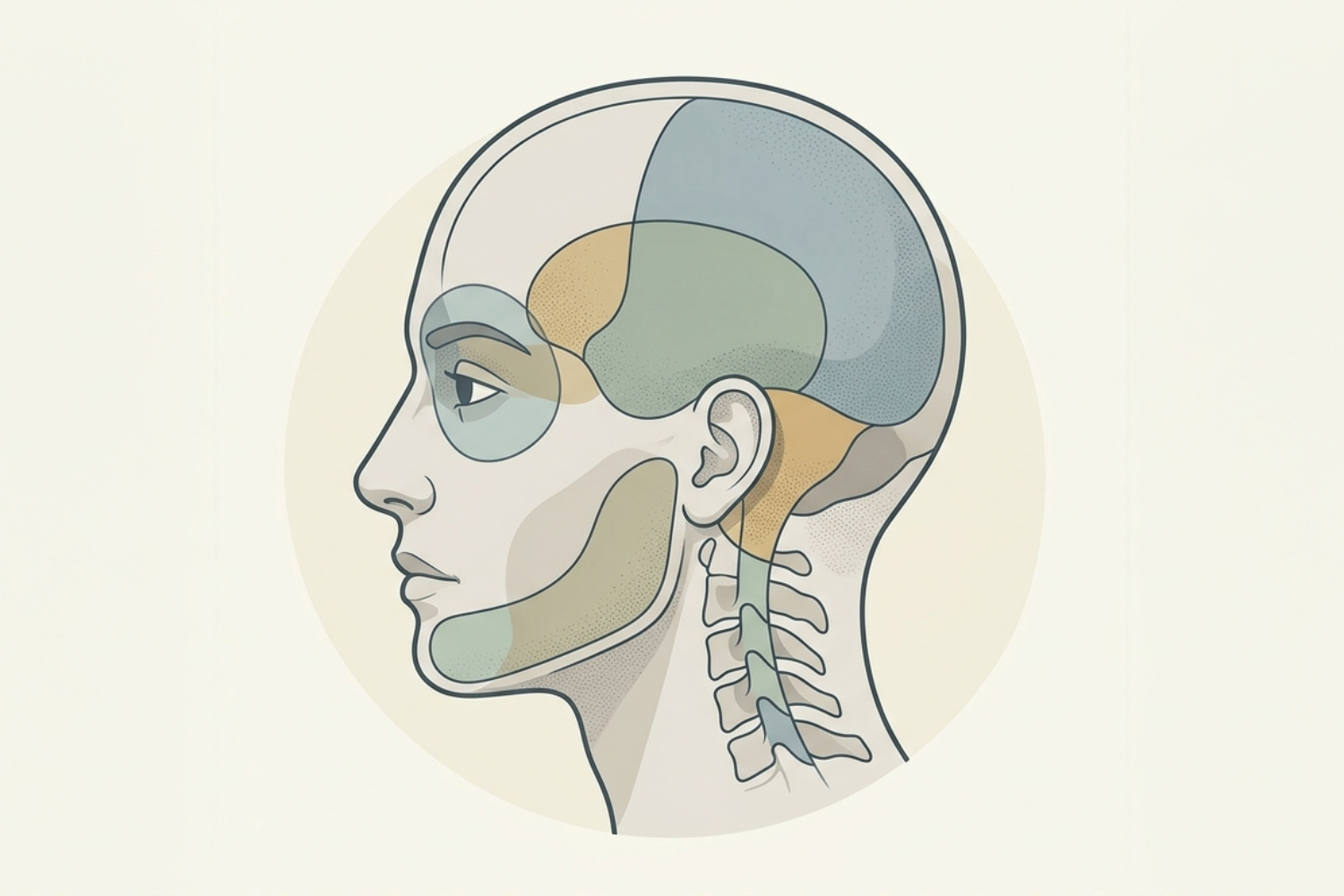
A migraine is not just a bad headache. It is a neurological event that can cause throbbing or pulsing pain, usually on one side of the head, lasting anywhere from four hours to several days. Most people who experience them know exactly what they feel like. The sensitivity to light and sound. The nausea. The need to shut the curtains, lie down, and wait it out.
What makes migraines so disabling is not just the pain itself. It is the warning that comes before it. Up to 25% of migraine sufferers experience an aura, a set of visual or sensory signals like zigzag lines, flashing lights, or tingling that announce the migraine is on its way. According to Dr. Katz, patients describe this as one of the most demoralizing parts of the experience. The day is not over yet, but they already know it is.
Women are three times more likely to experience migraines than men. Each year, up to 17% of women will have at least one migraine, compared to about 6% of men. Overall, migraines affect approximately 12% of the US population, though Dr. Katz believes the true number is higher when you include people who never receive a formal diagnosis.
The real question is not what a migraine is. Most people already know. The real question is why they keep happening, and whether the strategies being used to manage them are actually making things worse.
Mistake #1: Relying on Painkillers to Get Through It
This is the mistake most migraine sufferers do not even know they are making, because it seems logical. You are in pain. You take something for the pain. The pain goes away. What is the problem?
The problem is what happens over time.
Taking painkillers regularly for migraines increases the risk that those migraines will become chronic. This applies to over-the-counter options like ibuprofen, naproxen, and acetaminophen, as well as prescription medications like triptans. Dr. Katz explains it clearly: your body gets desensitized to the medication. What used to work at 500 milligrams stops working. You need more. Then you need it more often. The drug plateaus in your system, and your body begins to expect it whenever pain arrives. The headaches become more frequent. They become harder to treat. And the cycle tightens.
Triptans, which are the most commonly prescribed medications for true migraines, work by mimicking serotonin and quieting overactive pain signals in the brain. They can be effective for acute relief. But the package instructions exist for a reason. Most triptans come with monthly limits, and if you are hitting those limits regularly, that is a signal to find the cause, not a reason to increase the dose.
Dr. Ryder puts it plainly: you are in pain, and you need to get through your life. That is completely understandable. But if painkillers are your only strategy, you are not treating the migraine. You are feeding it.
Mistake #2: Ignoring Food Sensitivities
Diet is one of the most common root causes of migraines that Dr. Katz and Dr. Ryder see in their practice. It is also one of the most underestimated.
Both doctors have experienced this personally. Dr. Katz identified cashews as his trigger. Dr. Ryder resolved her chronic headaches by eliminating her specific food sensitivities. These are not theoretical connections. They are clinical and personal experiences that inform how NPG approaches every migraine patient.
The challenge is that most food sensitivity testing is incomplete. Standard allergy testing only measures IgE antibodies, which are associated with immediate allergic reactions. Many naturopathic panels only measure IgG. Both approaches leave gaps. At Naturopathic Physicians Group, the team runs a comprehensive food analysis that measures multiple antibody types, giving a full picture of how the body responds to specific foods.
Common dietary triggers include alcohol, which depletes B vitamins and dehydrates the body. Brewer's yeast, used in the fermentation of beer and wine, can be a specific trigger that goes beyond the alcohol itself. Caffeine is a dual-edged problem. It can relieve a migraine in the short term, and it is even included in some medications for that reason. But it is also a trigger, and if you cannot start your day without it, you have a dependency that is making your migraines harder to manage.
The fix is not a generic elimination diet. It is accurate, comprehensive testing followed by a personalized plan based on your actual data.
Mistake #3: Not Checking Your Neck
This one surprises people.
If your migraines followed a car accident, a fall, or any kind of head or neck trauma, the origin of your pain may be structural rather than neurological. Weak or damaged ligaments in the cervical spine increase muscular tension, and that tension travels upward and becomes a migraine. TMJ, a dysfunction of the jaw joint responsible for chewing, is another structural cause that is frequently missed. Dr. Katz sees TMJ patients regularly who also suffer from chronic migraines, and when the TMJ is treated, the migraines often resolve as well.
Both Dr. Katz and Dr. Ryder have personal experience with this. Both were rear-ended around the same time and sustained neck damage. They treated each other with PRP, and the headaches resolved.
Prolotherapy and platelet-rich plasma (PRP) therapy are regenerative injection treatments that stimulate the body's own healing response to repair damaged ligaments and tissue. When structural instability is the root cause of migraines, these treatments can be remarkably effective. No painkiller addresses this. No triptan addresses this. If no one has ever evaluated your neck in the context of your migraines, that is a significant gap in your care.
Disclaimer: The discussion of these therapies is for educational purposes only. Please consult a medical professional who knows your personal history before starting any new therapies.
Mistake #4: Skipping Your Nutrient Levels

Nutrient deficiencies are a well-established contributor to migraine frequency and severity, and they are routinely missed in standard medical workups.
Magnesium is the most studied. Low magnesium levels have been directly linked to migraine onset, and many migraine sufferers are deficient without knowing it. B vitamins are equally important. B1 (thiamine), B2 (riboflavin), B6, and B12 each play distinct roles in nerve function and neurological health. Alcohol consumption depletes B1 specifically, which is one reason why alcohol-triggered migraines are so common. Vitamin D deficiency has been associated with increased migraine days. Studies show that people with adequate vitamin D levels experience fewer migraine episodes than those who are deficient.
At Naturopathic Physicians Group, these levels are tested as part of a comprehensive annual panel. Dr. Katz notes that a B complex is often used with patients because it covers multiple bases at once, but the approach is always individualized. The goal of supplementation is not just to reduce the severity when a migraine hits. It is to reduce how often they happen in the first place.
When patients address their nutrient deficiencies, many report that their migraines become shorter, less intense, and less frequent. That is not symptom management. That is moving toward the root cause.
Disclaimer: The discussion of these supplements is for educational purposes only. Please consult a medical professional who knows your personal history before starting any new therapies.
Mistake #5: Overlooking Your Hormones
Women under 40 are significantly more likely to experience migraines than men, and hormonal fluctuation is a major reason why.
Estrogen and progesterone levels shift throughout the menstrual cycle. These hormonal changes directly influence the neurological pathways involved in migraine onset. Menstrual migraines, which occur around the time of a woman's period, are a recognized pattern that points directly to this hormonal connection. Yet standard migraine workups rarely include comprehensive hormone testing.
Dr. Katz and Dr. Ryder consistently find that when hormonal imbalances are identified and addressed, migraine frequency drops. This does not mean that every woman with migraines needs hormone therapy. It means that hormones need to be evaluated as part of a complete picture. Without that data, you are guessing.
If you are a woman who experiences migraines that follow a predictable monthly pattern, that predictability is a clue. It is your body telling you something about your hormonal health. That clue deserves a thorough investigation, not a prescription for a triptan and a follow-up in six months.
What Happens If You Keep Making These Mistakes
The migraines will not improve on their own. In fact, without addressing root causes, the trajectory tends to move in one direction.
Overuse of painkillers and triptans does not just fail to fix the problem. It actively makes it worse. Episodic migraines become chronic migraines. What was once a few bad days a month becomes a condition that defines your life. You stop making plans because you cannot trust your own body. You stop exercising because exertion is a trigger. You stop socializing because noise, light, and crowds are risks you cannot afford to take.
The emotional toll accumulates quietly. You feel unreliable. You feel like you are letting people down. You feel frustrated that something so painful has no clear answer. And when doctor after doctor offers the same short-term solutions, hopelessness sets in.
The financial cost adds up too. Prescription medications, specialist visits, and missed work days are expensive. None of that spending moves you closer to the actual solution.
Dr. Ryder says it simply: if you are only ever managing your migraines, you will be managing them forever. The only way out is through the root cause.
What Life Looks Like When You Actually Get to the Root
When the real causes of migraines are identified and treated, the change is not subtle.
Patients who address food sensitivities report that their triggers disappear entirely once the offending foods are removed. Patients who correct nutrient deficiencies find that their migraines become shorter, less intense, and eventually less frequent. Patients whose migraines were driven by neck instability or TMJ find that regenerative treatment gives them relief that no medication ever did. Patients who balance their hormones find that the monthly pattern they had accepted as inevitable simply stops.
What returns is not just fewer headache days. What returns is confidence. The ability to make plans and keep them. To exercise without fear. To travel, attend events, and engage fully in life without constantly calculating your risk.
Dr. Katz describes it as getting your future back. Because when migraines control your schedule, they steal your future one cancelled plan at a time. Treating the root cause gives it back.
Action Steps If Migraines Keep Coming Back
Track your migraine patterns. Note the day, time, what you ate, how you slept, and where you were in your menstrual cycle if applicable. Patterns are data. Data points to causes.
Get a comprehensive food sensitivity panel. Not a basic IgE allergy test. A full panel that measures multiple antibody types. If you have had one before and are still struggling, you may have had an incomplete panel.
Reduce alcohol and caffeine gradually. Do not quit cold turkey if you are caffeine-dependent. A slow taper over several weeks avoids withdrawal headaches and gives your body time to adjust.
Check your nutrient levels. Ask for magnesium, a full B vitamin panel, and vitamin D at minimum. Address any deficiencies under the guidance of a practitioner.
Get your hormones tested comprehensively. Especially if your migraines follow a monthly pattern. Standard hormone panels are often insufficient. Ask about comprehensive testing that captures the full hormonal picture.
Have your neck evaluated. If you have ever had any head or neck trauma, even a minor fall or fender bender, structural damage may be contributing to your migraines. Ask about prolotherapy and PRP as treatment options.
Stop using painkillers as your primary strategy. Reserve them for genuine emergencies. Work with a practitioner to build a plan that addresses causes rather than masking symptoms.
This information is educational and not a substitute for professional medical advice. Always consult your healthcare provider before making major health changes.
What mistakes make migraines worse over time?
The most common mistakes that worsen migraines include relying on painkillers or triptans too frequently, which can cause episodic migraines to become chronic through medication overuse. Other major contributors include unidentified food sensitivities, untreated nutrient deficiencies in magnesium and B vitamins, structural problems in the neck or jaw from past trauma, and unaddressed hormonal imbalances. According to Dr. Steven Katz and Dr. Loreena Ryder of Naturopathic Physicians Group in Scottsdale, Arizona, migraines are rarely a single-cause condition. A comprehensive evaluation that examines diet, nutrients, structure, and hormones is the most reliable path to lasting relief.
What is medication overuse headache?
Medication overuse headache, sometimes called rebound headache, occurs when pain-relieving medications are taken so frequently that the body becomes dependent on them to regulate pain signals. Over time, the medication stops working as well, the headaches become more frequent, and higher doses are needed to achieve the same effect. Both over-the-counter medications like ibuprofen and prescription options like triptans can cause this pattern if used more than a few times per week on a regular basis.
Frequently Asked Questions
Can taking too many painkillers actually cause more migraines?
Yes. This is called medication overuse headache, and it is more common than most people realize. When pain-relieving medications are taken frequently, the body adapts to their presence and begins to expect them. Over time, the migraines become more frequent and more severe, and the medication becomes less effective. Both over-the-counter options like ibuprofen and prescription triptans can cause this pattern. If you are taking medication for migraines more than a few days per week, it is worth discussing this cycle with a practitioner who can help you find the underlying cause.
How do food sensitivities cause migraines?
Certain foods trigger an immune response that causes inflammation in the body, and that inflammation can affect neurological function and blood vessel behavior in ways that contribute to migraines. Common culprits include alcohol, brewer's yeast, caffeine, and foods that show up on comprehensive sensitivity panels. The challenge is that standard allergy tests only capture a portion of the picture. A full panel measuring multiple antibody types is the most reliable way to identify your personal triggers.
Why do women get more migraines than men?
Women are three times more likely to experience migraines than men, largely because of hormonal fluctuations tied to the menstrual cycle. Estrogen and progesterone levels shift significantly throughout the month, and these shifts influence the neurological pathways involved in migraine onset. Migraines that follow a predictable monthly pattern are often hormonally driven. Comprehensive hormone testing can identify imbalances that, when corrected, significantly reduce migraine frequency.
Can a neck injury cause migraines?
Yes. Structural damage to the cervical spine from car accidents, falls, or other trauma can destabilize the ligaments that support the neck. This instability increases muscular tension, which travels upward and contributes to chronic migraine headaches. TMJ dysfunction, which affects the jaw joint, is another structural cause that is frequently overlooked. Regenerative treatments like prolotherapy and PRP can address the underlying structural instability rather than simply masking the pain.
What is prolotherapy and how does it help migraines?
Prolotherapy is a regenerative injection treatment that uses a solution to stimulate the body's natural healing response in damaged or weakened ligaments and tendons. When migraines are caused by structural instability in the neck or jaw, prolotherapy can help rebuild tissue integrity and reduce the tension that contributes to headaches. It addresses the cause rather than the symptom. Dr. Katz and Dr. Ryder both used PRP, a related therapy, to treat their own neck injuries and resolved their headaches as a result.
What nutrient deficiencies are linked to migraines?
Magnesium deficiency is the most well-studied connection. Low magnesium levels have been directly associated with migraine onset and frequency. B vitamins, particularly B1, B2, B6, and B12, also play important roles in nerve function and can reduce migraine duration and frequency when levels are restored. Vitamin D deficiency has been associated with more frequent migraine days. These deficiencies are often missed in standard medical workups but are routinely tested at Naturopathic Physicians Group.
Is caffeine good or bad for migraines?
Both, depending on the situation. Caffeine can provide short-term relief during a migraine because it constricts blood vessels and is included in some migraine medications for that reason. However, regular caffeine use creates dependency. If you cannot start your day without caffeine or you get a headache when you skip it, that dependency is making your migraines harder to manage. Gradually reducing caffeine intake over several weeks can break this cycle without triggering severe withdrawal headaches.
What tests should I get if I have chronic migraines?
A thorough evaluation should include a comprehensive food sensitivity panel measuring multiple antibody types, a full nutrient panel covering magnesium, B vitamins, and vitamin D, comprehensive hormone testing especially for women, and a physical examination of the neck and jaw. Lab work should also include a CBC to rule out anemia. If you have had any head or neck trauma, imaging may be warranted. This level of investigation goes beyond what most standard medical appointments offer and is where naturopathic medicine provides significant value.
Can migraines be cured or only managed?
For many people, identifying and addressing the root causes of their migraines leads to a dramatic reduction in frequency and severity. Some patients stop having migraines entirely once food sensitivities are removed, nutrient deficiencies are corrected, structural issues are treated, or hormone levels are balanced. The word cure depends on the individual and the cause. But accepting chronic migraines as inevitable without a thorough root-cause investigation is not a medical conclusion. It is a missed opportunity.
When should I go to the emergency room for a migraine?
Seek emergency care if your migraine lasts longer than 24 to 48 hours and is not responding to treatment, if you have a stiff neck or fever accompanying the headache, if you experience sudden vision loss or speech difficulty, or if you have recently had a head injury. These symptoms can indicate conditions that require urgent evaluation, including meningitis or intracranial bleeding. A severe, sudden headache that feels different from your usual migraines also warrants immediate attention.
Take the Next Step
If you are done managing your migraines and ready to find out what is actually causing them, Dr. Steven Katz and Dr. Loreena Ryder at Naturopathic Physicians Group are here to help. Their approach starts with a comprehensive evaluation that looks at your diet, nutrient levels, hormones, and structural health. Not a rushed appointment. Not another prescription. A real investigation into what your body is trying to tell you.
Telephone and virtual consultations are available for patients throughout Arizona.
Schedule your consultation at naturopathicgroup.com/contact
Phone: (480) 451-6161
Email: [email protected]
Location: Naturopathic Physicians Group, Scottsdale, Arizona